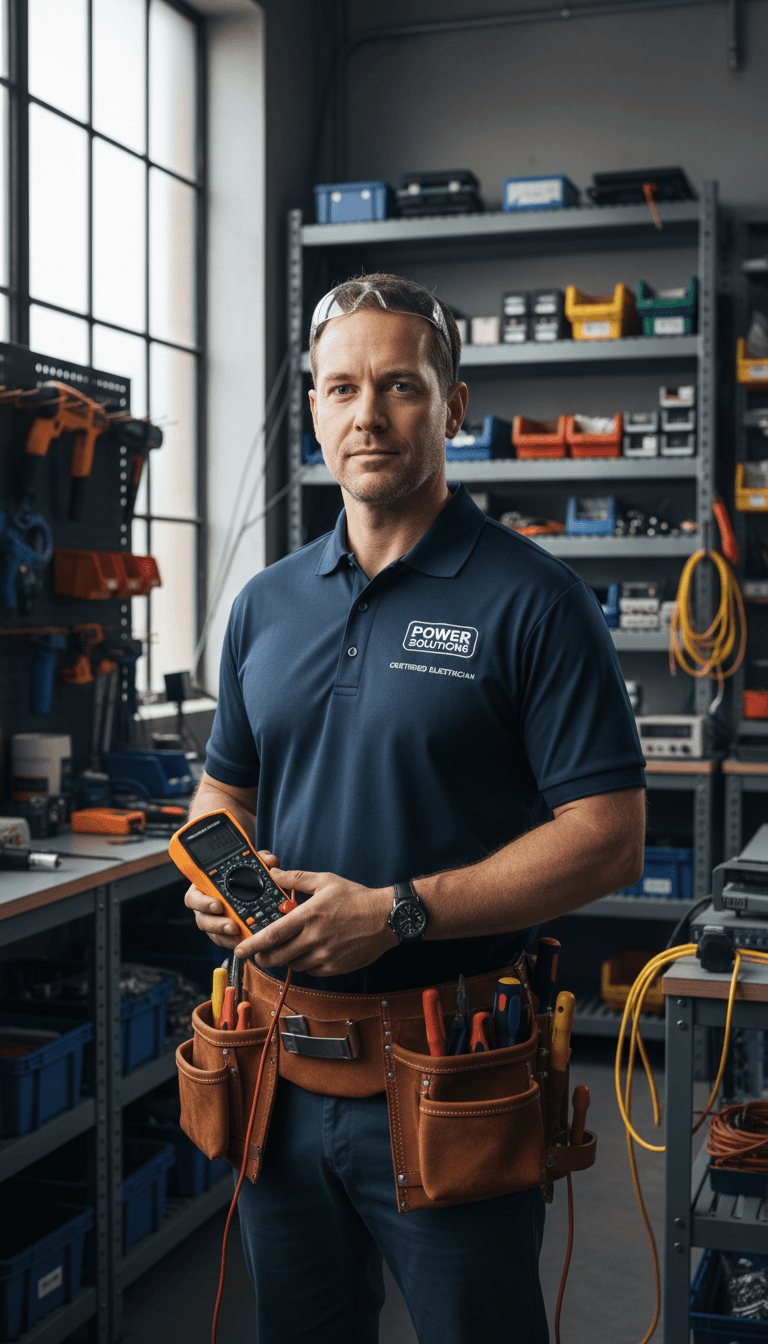
The most lucrative skilled trades Utah jobs include construction managers, pipefitters, and specialized welders, offering annual salaries ranging from $65,000 to over $170,000. Aspiring professionals can enter these high-demand fields by completing apprenticeships or finding on-the-job training opportunities through local industry programs and online job boards.
Many hardworking Utahns find themselves trapped in stagnant career paths that offer little financial growth despite the rising cost of living across the Wasatch Front. Traditional degree programs often lead to mounting debt without the guarantee of a high paying role; meanwhile, the state is facing a critical shortage of qualified experts. This gap represents a significant opportunity for those willing to master a technical craft. As Utah continues to lead the nation in infrastructure development and technological expansion, the demand for specialized professionals has never been higher. In this article, we will detail the five fastest growing skilled trades in Utah. You will learn about the specific earnings potential for each field, the daily realities of these roles, and the precise steps required to launch your new career without wasting years in a classroom.
The Current Landscape for Skilled Trades Utah Jobs
Utah’s economic landscape is currently defined by rapid expansion and a widening talent gap. Nationally, the industrial sector faces a shortage of roughly 439,000 workers, but Utah’s situation is particularly acute due to the concentrated growth of the Silicon Slopes. This technology boom, combined with aggressive housing development in Sanpete and Utah counties, has created an urgent need for professionals who can bridge the gap between physical construction and high-tech infrastructure.
Securing skilled trades Utah jobs today involves much more than physical stamina. The traditional image of manual labor is being replaced by a tech-integrated reality. Modern job sites now rely on digital blueprints, AI-driven project management, and precision tools that require specialized technical literacy. This shift means that entry-level roles are becoming more sophisticated, demanding a blend of traditional expertise and modern efficiency.
At Anderson Training, we recognize that the future of the workforce lies in this hybrid space. We deliver modern workforce training programs that preserve traditional craftsmanship while equipping students with the digital tools necessary to thrive in Utah's evolving industrial sector. As businesses seek adaptable talent to manage complex, automated systems, the value of a tech-savvy tradesperson has never been higher.
1. Electricians: Powering Utah's Tech and Housing Boom

The expansion of data centers across the Utah Valley and the rapid residential development in Sanpete County have placed electricians at the forefront of the labor market. These projects require more than basic wiring; they demand a sophisticated understanding of power distribution for high-density computing and integrated home automation systems. In Utah, current salary data reflects this high demand, with earnings typically ranging from $62,000 for standard residential work to upwards of $110,000 for specialized industrial or master-level roles.
Modern electricians must navigate a landscape of smart home technology and automated grid management. Electrical systems are increasingly digital, requiring technicians to program smart panels and troubleshoot complex circuits using tablet-based diagnostic software. This integration of technology makes the role more efficient but also more technically demanding. It is no longer enough to understand current and voltage; a competitive professional must also grasp the digital interfaces that control energy consumption in modern buildings.
For those seeking skilled trades Utah jobs in this field, the journey typically begins as an apprentice electrician. This path provides a structured way to earn a competitive wage while learning on the job, combining practical site experience with classroom instruction. At Anderson Training, we support this transition through modern workforce training programs that bridge the gap between traditional manual skill and the digital literacy required by today's contractors. By focusing on the intersection of craftsmanship and technology, an apprentice can quickly move into high-value roles in infrastructure and tech-sector support, ensuring long-term career stability in Utah's growing economy.
2. HVAC Technicians: Essential Climate Control Specialists
Utah's climate presents a high-stakes environment for HVAC specialists. With summer temperatures regularly exceeding 100 degrees and winters dropping well below freezing, climate control is a public safety necessity rather than a luxury. This constant seasonal demand ensures that HVAC remains one of the most stable skilled trades Utah jobs available today. However, the industry is shifting rapidly away from basic mechanical fixes toward high efficiency systems that rely on complex electronics and variable speed technology.
A modern technician now carries a tablet alongside their manifold gauges. Troubleshooting high end residential and commercial units requires navigating proprietary diagnostic software to analyze real-time performance data, sensor readings, and airflow cycles. At Anderson Training, we emphasize that digital literacy is the primary differentiator between a general laborer and a high value specialist. This technical proficiency is especially critical in the commercial sector, where large scale cooling for retail hubs and medical facilities requires precision management of chillers and integrated building automation systems.
Commercial roles frequently command higher salaries and offer specialized career paths for those who can interpret complex data. By choosing modern workforce training programs that focus on these advanced diagnostic tools, students can bypass traditional entry-level hurdles and step directly into sophisticated service roles. You can learn more about our instructor-led approach to see how we integrate these digital proficiencies into every practical lesson.
3. Construction Managers and Field Superintendents
For professionals looking to advance beyond the technical execution of a single craft, moving into management offers the highest earning potential in the sector. Construction managers and field superintendents are currently some of the most lucrative skilled trades Utah jobs, with salaries frequently ranging from $80,000 to over $176,000. These leaders are the backbone of Utah’s rapid infrastructure expansion, ensuring that massive developments stay on schedule and within budget constraints.
Transitioning from a position "on the tools" to a superintendent role requires a shift in focus from manual execution to strategic coordination. A successful manager must understand the physical constraints of the job site while effectively using digital project management software to track resources, labor, and timelines. This hybrid skill set is rare; many veteran tradespeople lack digital literacy, while many office-bound managers lack the field experience necessary to gain the respect of a crew.
At Anderson Training, we bridge this gap through modern workforce training programs that emphasize leadership alongside technology. By learning to navigate automated scheduling tools and digital blueprints, experienced workers can leverage their practical background to step into high-level management roles. If you are ready to lead on the job site, contact us to start your training and build the technical foundation necessary for these high-stakes leadership positions.
4. Specialized Welders and Pipefitters
The transition from field leadership to technical mastery leads directly to specialized welding and pipefitting, two roles that form the backbone of Utah’s heavy industrial sectors. These are high-paying skilled trades Utah jobs, with annual earnings frequently reaching the $70,000 to $100,000 range. The difference between a general fabricator and a high-earning specialist lies in advanced certifications for high-pressure systems, stainless steel orbital welding, and structural integrity for the energy sector.
Modern welding has evolved far beyond the traditional torch and mask. Today, precision welding often involves robotic assistance and a sophisticated understanding of metallurgy to navigate the chemical properties of exotic alloys. These technical requirements make the role highly resistant to economic shifts. At Anderson Training, we teach these crafts through modern workforce training programs that emphasize both manual dexterity and digital precision. Students learn how to interpret complex metallurgical data and use advanced tools that increase efficiency without sacrificing craftsmanship. Learning about our instructor-led approach will show you how we prepare the next generation of technicians for the demands of Utah’s industrial expansion.
5. Industrial Maintenance and Mechatronics Technicians

While specialized welding provides the structural foundation for industry, mechatronics technicians ensure the entire system operates with digital precision. This hybrid trade is rapidly becoming one of the most critical skilled trades Utah jobs, particularly as manufacturing plants across the state adopt high level automation. A mechatronics technician bridges the gap between traditional mechanical repair and computer programming. They are responsible for the internal logic of the factory, including the sensors, robotics, and programmable logic controllers (PLCs) that drive modern production.
In Utah's growing industrial sector, these roles are increasingly recession proof. As long as a facility is operational, it requires a technician who can troubleshoot an AI driven sorting system or calibrate a robotic arm. Our modern workforce training programs focus on this technological intersection, teaching students how to use digital diagnostic tools and predictive maintenance software. Rather than simply reacting to equipment failure, these experts use real time data to prevent downtime before it occurs.
Salaries for industrial machinery and mechatronics roles typically range from $60,000 to $95,000, depending on the complexity of the automated systems managed. By learning about our instructor-led approach, you can see how we blend physical craftsmanship with the technical literacy required to program and maintain these advanced systems. If you want a career that balances hands on work with high tech problem solving, contact us to start your training in this essential, future oriented field.
How to Get Started with No Experience Trade Jobs in Utah

Breaking into the labor market without a background in craftsmanship is a realistic goal, as the path to securing skilled trades Utah jobs is more accessible than traditional academic routes. Unlike a four-year degree that requires years of theoretical study and significant debt, the trades offer a speed to market of 3 to 12 months. This accelerated timeline allows you to transition from zero experience to a paying role in less than a year.
To begin your career, follow this structured roadmap:
Identify Your Interest Area: Determine if you prefer the precision of specialized welding, the analytical nature of HVAC, or the high-tech environment of mechatronics.
Select a Technology-Forward Program: Avoid programs that only teach manual labor. Seek out modern workforce training programs that blend hands-on skills with digital tools like AI and tablet-based diagnostics. This ensures you are prepared for the modern job site from day one.
Build a Certification Portfolio: In Utah, certifications are the primary currency of the industry. Earning recognized credentials validates your skills to employers even before you have years of field experience.
Many positions in Utah, particularly for apprentice electricians and HVAC technicians, utilize an earn while you learn model. This structure allows you to gain on-site experience and a paycheck while simultaneously completing your technical education. By learning about our instructor-led approach, you will see how we facilitate this rapid growth by combining traditional trade wisdom with the efficiency of modern technology. If you are ready to pivot your career without the delay and cost of a university degree, contact us to start your training and join Utah’s essential workforce.
Frequently Asked Questions about Utah Trade Careers
Navigating the landscape of skilled trades Utah jobs often brings up specific questions regarding earnings and expectations.
What trades are in demand in Utah? The most urgent demand is currently found in electrical work, HVAC, and industrial maintenance. Utah’s rapid infrastructure growth and the expansion of data centers require technicians who understand complex power distribution and automated climate systems. Additionally, the manufacturing sector in the Utah Valley heavily recruits mechatronics technicians to maintain robotic assembly lines and automated sorting systems.
What jobs pay $10,000 a month without a degree? While entry level wages vary, specialized roles such as construction managers and specialized welders can reach or exceed the $120,000 annual mark. Construction managers, or field superintendents, often earn these high salaries by overseeing large scale residential and commercial developments. Specialized welders, particularly those with advanced certifications in metallurgy and precision orbital welding for the energy sector, also command these premium rates due to the technical precision and safety standards required on industrial sites.
What skills are in demand in Utah? Utah employers now prioritize a blend of traditional craftsmanship and digital proficiency. It is no longer enough to master manual tools, you must also be able to navigate tablet based diagnostics and AI driven project management tools. At Anderson Training, we focus our modern workforce training programs on this technical integration. To learn more about our instructor-led approach, contact us to start your training and bridge the gap between physical labor and modern technology.
Utah's demand for skilled tradespeople is higher than ever, offering a clear path to financial stability and professional growth. Whether you are interested in plumbing, electrical work, or HVAC, the opportunities across the state are vast and rewarding. If you feel ready to pursue one of these high-paying careers but want expert guidance to navigate your training options, we are here to support your journey. You can learn more about Anderson Training and how our specialized programs help students transition into the workforce with confidence.