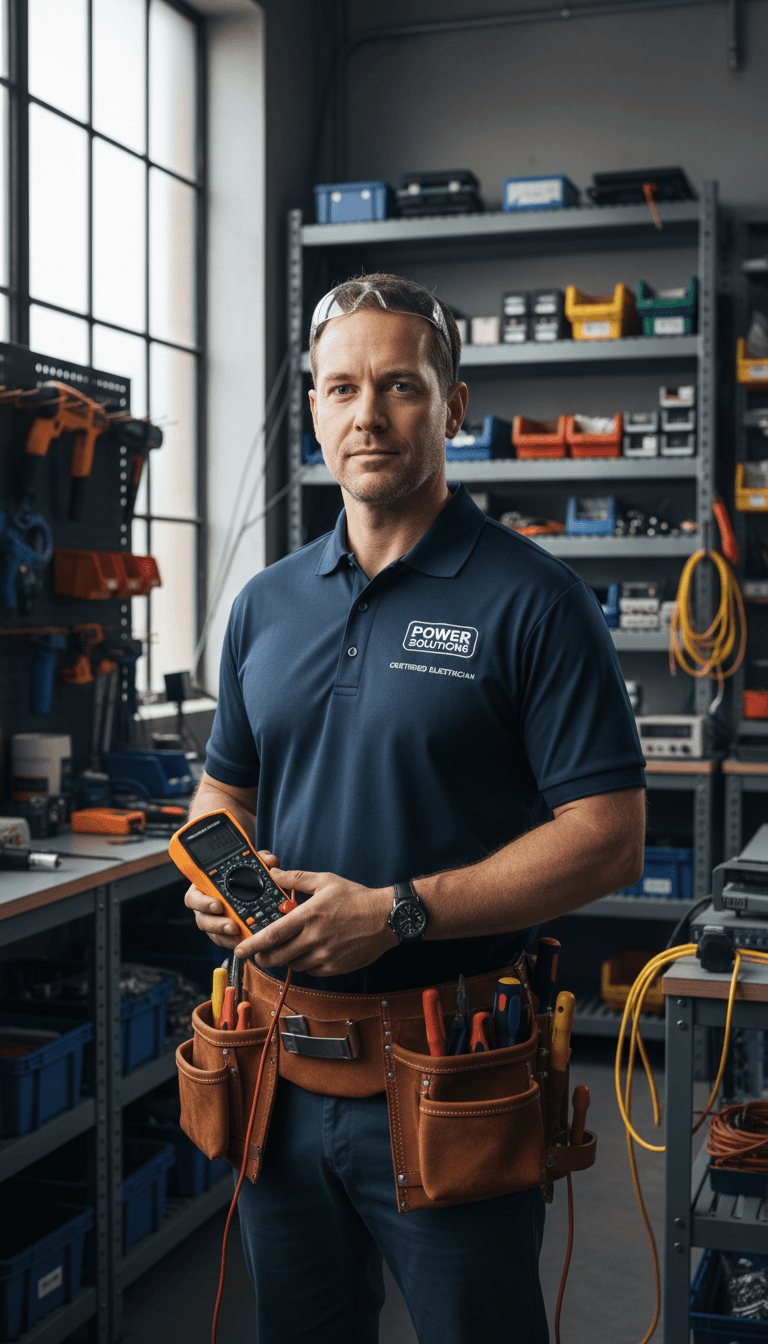
Choosing between trade school vs college depends on whether a student prioritizes rapid entry into the workforce with low debt or a broad academic foundation for specific professional careers. Trade schools offer a significantly lower price point of $15,000 to $33,000 and produce graduates who frequently earn more than the median college graduate within their first decade of work.
The traditional path to success often feels like a financial gamble, leaving many parents and students paralyzed by the choice between a four year degree and a specialized career. As we navigate the economic shifts of 2026, the assumption that a university education is the only route to a stable, high paying career is no longer supported by the data. This choice matters now more than ever because the rise of automation and escalating tuition costs have fundamentally changed the return on investment for various career paths. In this guide, we will analyze the true cost of debt, compare earning potentials across industries, and examine how modern skilled trades provide unique protection against AI displacement. You will walk away with a clear framework to evaluate your options and understand how a targeted, skills based education can secure your professional future.
The 2026 Career Landscape: Why the Choice Between Trades and College Has Changed
The 2026 job market looks fundamentally different than it did even five years ago. We have entered the era of the New Collar economy, a landscape where specialized technical skills and digital fluency are often more valuable than a four-year liberal arts degree. Current data reveals that 47 percent of skilled trades workers now out-earn the median college graduate. This shift is not just a temporary spike; it is a structural realignment of how value is created in the modern workforce.
In the past, the college or bust mentality dominated post-secondary planning. Today, one in three parents prioritizes trade school for their children. This change is driven by the reality of market oversaturation for generic degrees alongside critical labor shortages in infrastructure and technical services. In Utah, these shortages are particularly acute as the state continues to lead the nation in growth and development. Families are increasingly wary of the high costs and uncertain returns of traditional academia.
Choosing between trade school vs college now involves weighing the stability of essential services against the volatility of entry-level white-collar roles. By utilizing modern workforce training programs, students can enter a market that rewards practical expertise and technological adaptability. The result is a generation of workers who are not only debt-averse but are also positioned at the center of the state's economic engine.
Comparing the True Cost: Trade School vs College Debt Statistics

When analyzing the financial commitment of post-secondary education, the gap between traditional universities and vocational programs is wider than ever. A standard four-year university degree now ranges from $120,000 to $260,000 when accounting for tuition, fees, and housing. In contrast, trade schools typically cost between $15,000 and $33,000 total. This disparity fundamentally alters the financial trajectory of a young professional starting their career in Utah.
Financial Metric | Trade School Path | 4-Year University Path |
|---|---|---|
Total Program Cost | $15,000 to $33,000 | $120,000 to $260,000 |
Average Student Debt | ~$10,000 | $36,000+ |
Time to Completion | 6 months to 2 years | 4 to 6 years |
The debt load carries long-term consequences that extend far beyond the first paycheck. The average trade school graduate enters the workforce with roughly $10,000 in debt, whereas college graduates average over $36,000 in federal loans alone, often excluding private loans or parent-plus debt. In rural Utah and Sanpete County, where land ownership and local investment are key markers of stability, avoiding high-interest student loans is a major factor in achieving long-term financial independence.
By choosing an efficient path through specialized training, students bypass the decade-long debt cycle that traps many of their peers. For families in our community, this financial breathing room means the difference between struggling with massive monthly payments and having the capital to invest in a home, a vehicle, or a new business. If you are currently weighing these figures for your household, you can contact us for career guidance to see how these costs compare to the immediate earning potential in the local market.
Earning Potential: Do Trades Make More Money than College Degrees?
Determining whether trades make more money than college degrees requires looking beyond a single annual salary figure and examining the first decade of a career. The primary financial advantage of vocational paths is the concept of Time to Market. While a university student spends four to six years paying for credits and delaying their earning years, a trade professional typically enters the field in under two years. By the time a college graduate earns their first entry level paycheck, a skilled technician has already accumulated three years of wages, retirement contributions, and career seniority.
This head start creates a compounding effect on net worth. According to recent data, specialized trades offer high ceilings that rival or exceed many professional roles. Elevator installers and repairers now earn nearly $100,000 annually, while electrical power-line installers average over $82,000. In the local Utah market, the demand for electricians and solar installers is driving significant wage growth. These roles are not just jobs; they are career ladders where specialized certifications lead to rapid salary increases.
High-Earning Trade Career | National Median Salary (2026 Est.) | Utah Market Demand |
|---|---|---|
Elevator Installer/Repairer | ~$99,000 | High Growth |
Electrical Power-Line Installer | ~$82,340 | Critical Shortage |
Specialized Electrician | ~$61,590 | Consistent Growth |
HVAC Technician | ~$57,300 | High/Seasonal Peak |
While elite degrees in fields like medicine or specialized law may eventually command higher lifetime earnings, the median trade worker is currently winning the net worth race by age 30. This is due to the combination of early entry, lack of massive debt service, and steady wage inflation in technical sectors. Through modern workforce training programs, students gain the technical proficiency required to command these high wages immediately. If you are evaluating which career path offers the best return on investment for your specific situation, you can contact us for career guidance to review local earnings data and placement statistics.
The AI Factor: Why Modern Skilled Trades are Different in 2026

The conversation surrounding trade school vs college often misses the most critical development of 2026: the integration of Artificial Intelligence. Modern technical careers are no longer defined solely by physical labor; they are increasingly tech-heavy professions. While entry-level white-collar roles in data entry or basic analysis face high automation risks, a skilled technician who physically interacts with complex, unpredictable environments remains indispensable. AI cannot easily replicate the spatial reasoning and tactile problem solving required to troubleshoot a faulty circuit or a commercial climate control system in the field.
At Anderson Training, we bridge this gap by incorporating sophisticated digital tools into our curriculum. Students utilize advanced diagnostic software and AI-supported training modules to simulate real-world system failures before ever stepping onto a job site. This tech-first approach ensures that graduates are not just laborers but technical experts who understand how to leverage software to increase efficiency and accuracy. By blending traditional craftsmanship with these modern tools, we prepare our students for a landscape where technical skill and digital literacy are inseparable. This hybrid expertise is the core of our modern workforce training programs. If you want to learn more about Anderson Training and how we integrate these technologies into our Sanpete County facility, you can contact us for career guidance to see how these skills protect against automation.
How to Decide: A Five-Point Framework for Parents and Students

Choosing the right path requires looking past traditional expectations and focusing on the specific needs of the student. When evaluating the merits of trade school vs college, families should use a structured framework to determine which environment will yield the highest long term return on investment.
Learning Style: Evaluate how the student engages with information. If four years of lectures and research papers feels like a hurdle rather than an opportunity, the hands on problem solving found in modern workforce training programs is often more effective. Some minds are built for spatial reasoning and tactile execution, which is best developed through direct interaction with tools and technology.
Risk Tolerance: Discuss the financial reality of debt openly. A university path often requires a six figure commitment before a student even knows if they enjoy their chosen field. Vocational training lowers the barrier to entry, allowing students to pivot or specialize without the weight of crushing interest payments that take decades to resolve.
Job Security: In Sanpete County and throughout Utah, essential trades provide a level of local stability that many entry level office roles lack. Infrastructure maintenance, electrical work, and technical services are recession proof foundations of the local economy. These roles cannot be offshored or easily automated.
Career Speed: Determine the desired timeline for independence. A trade student can realistically achieve financial autonomy by age 20, whereas college students are often just beginning their junior year. For those eager to build a life, invest in property, or start a business early, speed to market is a critical advantage.
Mastery vs. Theory: Compare the depth of specialized technical knowledge against the breadth of general studies. Mastery of a specific high demand skill often translates to more immediate market value than a broad, theoretical education that requires further post graduate work to be functional.
Families must also address the outdated stigma surrounding vocational work. The modern technician is a high tech professional who balances physical craftsmanship with digital fluency. By focusing on these five factors, parents can help their students choose a path based on current market reality rather than outdated social pressure. You can learn more about Anderson Training or contact us for career guidance to discuss how these factors apply to your specific situation.
Common Questions: Downsides and Realities of Trade Careers
While the benefits of the skilled trades are significant, families often ask about the potential downsides. The most common concern involves the physical toll of the work. It is true that many technical roles require mobility and manual dexterity; however, modern technology has fundamentally changed the environment. Advanced lifting equipment, precision diagnostic tools, and proactive ergonomic training have significantly reduced the wear and tear once associated with these jobs. At Anderson Training, safety protocols and body mechanics are integrated into our modern workforce training programs to ensure long term career health.
Another frequent question is, "What trade makes $100,000 a year?" Reaching a six figure income typically requires moving beyond entry level roles into specialized certifications or business ownership. In Utah, becoming a Master Electrician or a licensed contractor allows individuals to manage crews or run their own firms, where earnings often exceed the $100,000 mark.
Path to Six Figures | Key Requirements |
|---|---|
Business Ownership | Licensing, project management, and local networking |
Specialized Certifications | Advanced training in solar, industrial automation, or HVAC/R |
Master Level Status | Required years of experience and passing state exams |
It is also essential to understand that this path is not a shortcut. Utah maintains rigorous licensing requirements through the Division of Professional Licensing (DOPL). These standards ensure that technicians are highly trained professionals who have met strict educational and experience benchmarks. When comparing trade school vs college, it is important to view the trade path as a structured, professional journey rather than just a quick alternative. If you are curious about specific local requirements, you can contact us for career guidance to map out a legitimate professional trajectory.
Finding the Right Path in Utah: The Anderson Training Approach
Sanpete County residents often face a choice between long commutes to large universities or settling for entry level work. Anderson Training provides a local alternative by offering modern workforce training programs that bypass massive university overhead like housing and student fees. Our curriculum preserves traditional craftsmanship while integrating digital learning paths designed for the 2026 economy.
Unlike generic state schools or national chains, we emphasize direct mentorship and a personal touch. This focused approach ensures students master complex technical systems without the burden of non essential courses. If you are weighing the benefits of trade school vs college, you can learn more about Anderson Training or contact us for career guidance to see how local, tech supported instruction leads to immediate career value in Utah.
Choosing between trade school and university is a deeply personal decision that depends on your specific career goals, budget, and learning style. Both paths offer distinct routes to success in 2026, although the financial and time commitments differ. If you want expert help navigating these complex educational options, our team is available to provide guidance tailored to your unique situation. You can learn more about our training philosophy to see if we are the right fit for your journey.