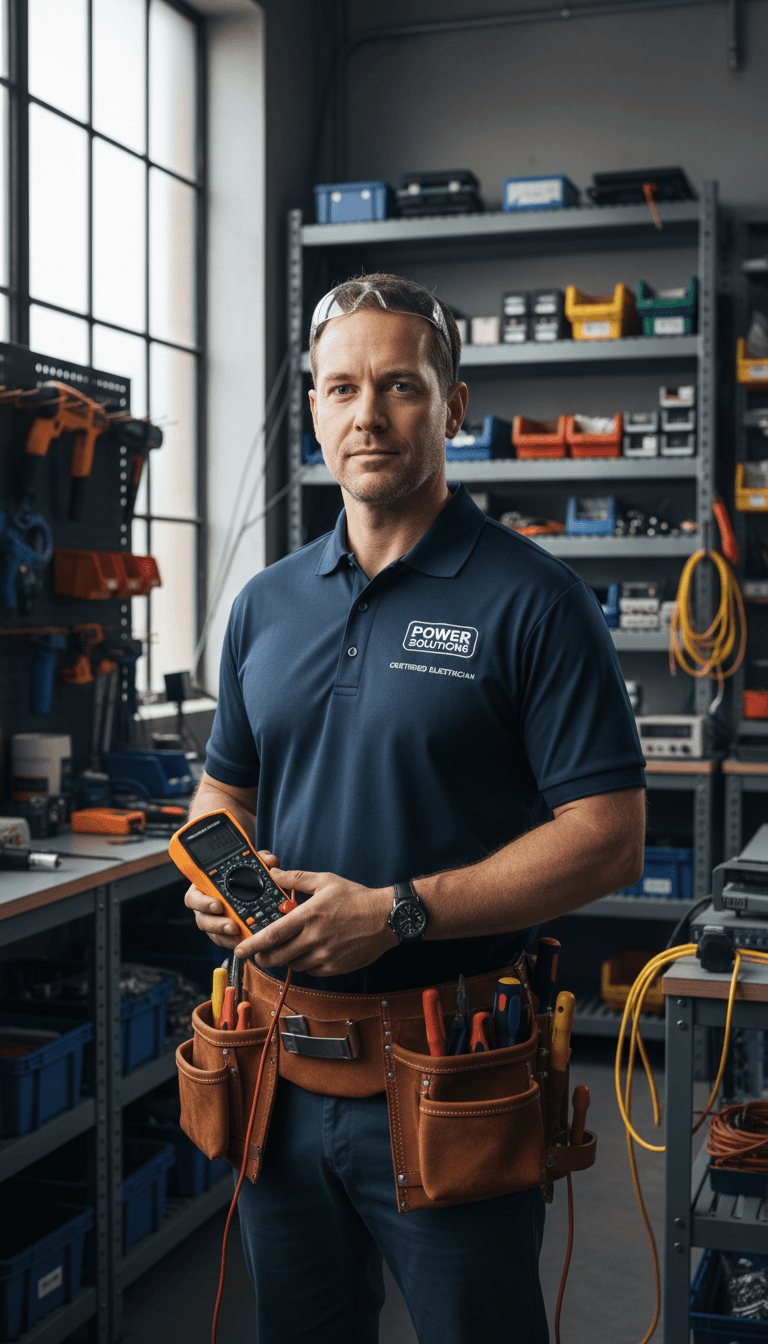
You can learn how to start a skilled trades career with no experience by securing a paid apprenticeship, enrolling in a short term trade school, or starting as an entry level laborer. These pathways provide hands on training in high demand fields like plumbing or electrical work while allowing you to earn a paycheck immediately; local resources such as the Utah Career Center offer direct routes to stable employment in rural areas.
Many aspiring professionals in rural Utah feel trapped by the misconception that a high paying trades career requires a lifetime of mechanical experience. This belief often prevents hardworking individuals from pursuing stable, lucrative roles in industries that are currently desperate for talent. The modern landscape of skilled labor has shifted; specialized knowledge and technical proficiency are now more accessible than ever for those starting from zero. At Anderson Training, we understand that bridging the gap between local talent and industry demand is essential for the growth of Central Utah. In this comprehensive guide, you will learn how to navigate the choice between trade schools and apprenticeships while integrating the digital skills required for the 2026 job market. We also provide a practical 90 day action plan to move you from the sidelines into a high demand career path.
The Blue Collar Comeback in Rural Utah
In 2026, the landscape of work in Central Utah has shifted dramatically. While many urban professionals face market saturation and rising costs of living, residents of Sanpete County are witnessing a localized boom in the skilled trades. The old misconception that manual labor is a backup plan for those who avoid traditional academics has vanished. Today, a career in the trades requires a sophisticated blend of physical mastery and digital fluency.
The demand is driven by a staggering labor gap. Nationwide data indicates that 2.1 million skilled roles will remain unfilled by 2030. This scarcity has pushed the median pay for skilled tradespeople to approximately $59,810, though specialized roles in Utah often climb much higher. For someone researching how to start a skilled trades career with no experience, the current economic climate offers a rare window of opportunity. Local infrastructure projects and residential growth in rural corridors have created a comeback that rewards those who can pair traditional craftsmanship with modern efficiency.
At Anderson Training, we see this transformation firsthand through our modern workforce training programs. By integrating AI-driven diagnostics and digital project management into hands-on instruction, rural workers can now out-earn their urban counterparts without the need to commute to the Wasatch Front. You no longer have to choose between a high-paying career and staying in the community you love. You can learn more about our local expertise to see how Sanpete and Sevier counties are becoming hubs for this new industrial age where tech skills are just as vital as a set of wrenches.
Choosing the Right Career Path with Zero Background
Transitioning from general interest to a specific discipline requires looking closely at the local landscape. In Sanpete and Sevier counties, the most resilient opportunities lie in four core sectors: HVAC, electrical, plumbing, and welding. Each of these fields offers more than just a paycheck; they provide a clear career path defined by progressive certifications and increasing specialization. An entry-level job might involve basic tasks, but a career path in the modern trades involves mastering both the physical mechanics of a system and the digital interfaces that control it.
Choosing the right direction depends on your natural inclinations. If you enjoy complex problem solving and working with circuit logic, the electrical trade or HVAC systems might be a fit. For those who prefer immediate tangible results and structural work, welding or plumbing are excellent choices. In rural Utah, the most successful candidates are those who embrace versatility. Local employers prioritize individuals who can swing a hammer but also navigate a digital diagnostic tablet. Understanding how to start a skilled trades career with no experience means positioning yourself as a multi-dimensional technician from day one. By exploring our modern workforce training programs, you can see how these diverse skills integrate to form a long term professional foundation.
Trade School vs Apprenticeship: Which Path Works for You

Choosing how to start a skilled trades career with no experience often feels like a choice between time and money. The traditional landscape in Utah offers two primary routes, each with distinct advantages and drawbacks. Trade schools focus on intensive, classroom-heavy instruction that leads to a certificate in months rather than years. While this requires upfront tuition, it places you in the field faster with a credential in hand. Traditional apprenticeships follow the earn while you learn model, pairing you with a master tradesperson for several years. This path eliminates debt but often moves at a slower pace determined by the mentor’s workload and the project schedule.
Factor | Trade School | Traditional Apprenticeship |
|---|---|---|
Time to Completion | 6 to 18 Months | 3 to 5 Years |
Upfront Cost | Moderate to High Tuition | None (Paid Hourly) |
Learning Style | Structured, Theoretical | Hands-on, Observational |
Primary Benefit | Faster Certification | Zero Debt, Direct Experience |
Determining which path is better depends entirely on your financial flexibility and your desired speed of career advancement. In Sanpete County, many residents find that a middle ground is necessary to bypass the long commutes to northern Utah campuses. Anderson Training addresses this by utilizing a modern apprenticeship model. This approach preserves the paycheck of an apprenticeship while incorporating the structured speed and technology of a trade school.
Our modern workforce training programs use digital tools and AI-supported simulations to compress the learning curve. By practicing complex diagnostics in a virtual environment before touching a live electrical panel or HVAC unit, students build muscle memory and technical confidence much faster than they would through observation alone. This hybrid model ensures that rural technicians are not just manual workers, but technology-literate professionals. For those looking to understand about our local expertise, this blended method represents the most efficient way to achieve high-level skills without the multi-year wait of old-school programs.
The Digital Advantage: Why Tech Skills are the New Toolbelt

The shift toward a modern training model is driven by the changing nature of the work itself. In the current trade landscape, a technician who cannot navigate a digital interface is as limited as one who cannot use a wrench. Learning how to start a skilled trades career with no experience today requires a heavy focus on the digital toolbelt, moving far beyond basic manual labor.
At Anderson Training, we teach our students that blueprints are rarely just rolled up paper anymore. They are interactive 3D models on tablets that allow for real-time adjustments and precise measurements. Diagnostic troubleshooting, particularly in complex HVAC and electrical systems, now frequently utilizes AI-driven software to pinpoint faults before a single panel is opened. By integrating these tools into our modern workforce training programs, we ensure our graduates in Sanpete and Sevier counties are high-value assets rather than just entry-level laborers.
Local businesses increasingly seek workers who can manage digital work orders and use diagnostic sensors to prevent equipment failure. This technical proficiency gives rural workers a significant edge over those trained in traditional, manual-only programs. If you want to see how these tools are applied in a real-world setting, you can read about our local expertise to understand the high standards we set for our students.
A 90 Day Action Plan for Getting Hired in Central Utah

Transitioning into a new field requires a tactical approach that prioritizes immediate utility. For those figuring out how to start a skilled trades career with no experience, the first thirty days should be dedicated to market research and program selection. In Sanpete and Sevier counties, you should look for gaps in local services, such as residential HVAC or municipal electrical work. Selecting modern workforce training programs that offer a blend of digital theory and hands-on practice ensures you are following a curriculum designed for 2026 standards rather than outdated methods.
The second month focuses on building your safety and compliance foundation. Acquiring an OSHA 10-hour or 30-hour certification is a critical step that demonstrates your commitment to professional standards. These certifications are often non-negotiable for contractors working on larger infrastructure projects in Central Utah. During this period, you should also familiarize yourself with the digital diagnostic tools and project management software used by modern firms, as this technical literacy will be your primary differentiator during interviews.
Month three is about local immersion and networking. In rural Utah, your reputation often precedes you, making personal outreach essential. Visit local job sites or hardware hubs in Ephraim and Richfield to introduce yourself to business owners and foremen. When polishing your resume, emphasize soft skills like punctuality, coachability, and problem-solving. Employers in this region frequently prioritize a reliable work ethic over existing technical mastery, knowing they can teach the trade to someone who shows up on time and follows instructions. You can learn more about our local expertise to see how we align our training with the specific expectations of Sanpete County employers.
High Demand Trade Jobs in Utah for 2026

When considering how to start a skilled trades career with no experience, identifying which sector to target is the final piece of the 90 day strategy. In Central Utah, the current surge in residential development and state-level infrastructure grants has prioritized three specific roles. These positions offer long term stability because they require a physical presence on a Sanpete County job site and cannot be easily automated.
Trade | Projected Starting Pay | Primary Growth Driver |
|---|---|---|
HVAC Technician | $48,000 - $56,000 | Energy efficiency retrofits and new residential growth. |
Solar Installer | $44,000 - $52,000 | Utah’s 48% industry growth and rural solar farm projects. |
Fiber Optic Tech | $45,000 - $54,000 | Rural broadband expansion across Sevier and Sanpete. |
HVAC technicians are in critical shortage as modern heat pump technology becomes the standard for Utah homes. Solar energy installers are seeing unprecedented demand as the state moves toward decentralized power grids, especially in regions with high solar exposure. Meanwhile, fiber optic technicians are the backbone of rural connectivity, installing the high speed lines that allow other industries to thrive in our region. Each of these roles benefits from our modern workforce training programs, which prepare you for the digital components of these systems. Significant infrastructure projects, like the expansion of regional utility grids, ensure these trades remain viable for decades. To learn more about how we specialize in these high demand fields, read about our local expertise.
Overcoming Rural Barriers to Skilled Trades Training
The geography of Central Utah often dictates career choices, as the three-hour round trip to the Wasatch Front for school is financially draining. This commute is the primary obstacle for those researching how to start a skilled trades career with no experience. Localized training in Sanpete County eliminates the need for expensive travel.
By integrating tech-supported modules, our modern workforce training programs provide the flexibility needed for individuals balancing irregular shifts or agricultural work. This decentralized approach ensures you can build professional value without leaving your community. You can learn more about our local expertise to understand how we make high-level technical education accessible locally.