
Utah employers can mitigate the 2026 labor shortage by investing in skilled trades training programs to upskill their existing workforce and cultivate new talent. These initiatives help bridge technical gaps while fostering a culture of professional development, which is essential for retaining workers in the construction and manufacturing sectors.
Utah business owners face a tightening bottleneck as the 2026 labor shortage looms; the traditional pipeline of skilled labor is no longer sufficient to meet the state’s growing infrastructure and manufacturing demands. When you cannot find the talent you need on the open market, your projects face costly delays and your existing team suffers from burnout. This crisis requires a shift from passive recruiting to proactive development. Investing in structured skilled trades training programs is the only viable path to long-term operational stability. In this guide, we explore how to implement the 70, 20, 10 rule for technical development, integrate digital tools like AI into traditional craftsmanship, and utilize the 5 Cs of retention. From Sanpete County to the Wasatch Front, you will learn how to build internal learning paths that turn entry-level employees into masters of their craft.
The Real Cost of the Skilled Trades Shortage in Utah
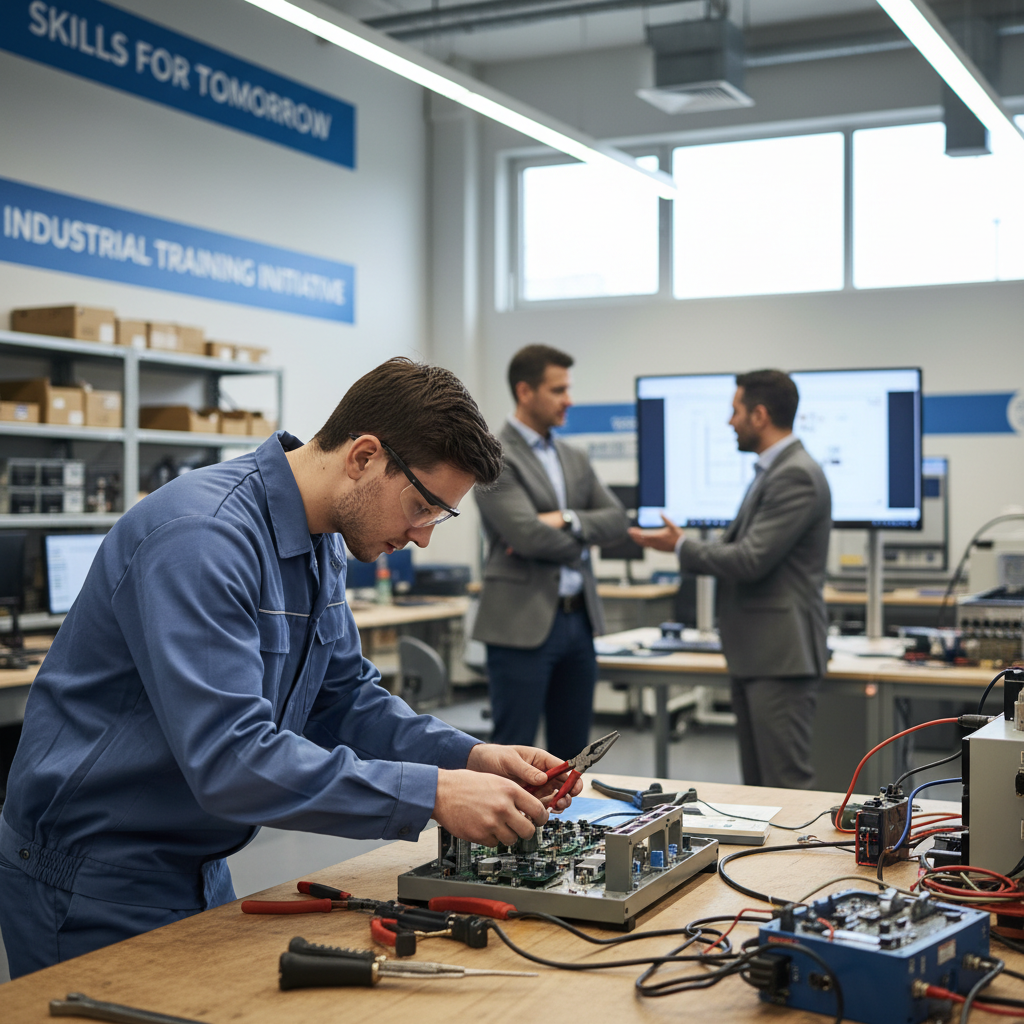
Nationally, the shortage of skilled labor is projected to contribute to a $1 trillion economic loss by the end of the decade. In Utah, this pressure is especially palpable. The relentless construction boom along the Wasatch Front, coupled with expanding industrial operations in rural hubs like Sanpete County, has created a demand that local talent pools cannot satisfy through traditional recruitment alone.
By 2026, the gap between open positions and qualified technicians is expected to widen significantly. Relying on hiring our way out of this deficit is a strategy that has reached its breaking point. When every competitor is fishing in the same shallow pond, the cost of acquisition skyrockets while the technical depth of the applicant pool often stagnates. For local businesses to remain competitive, they must pivot from searching for ready-made experts to cultivating them internally.
Implementing structured skilled trades training programs is the only sustainable path forward. This shift addresses the reality that the modern job site requires a higher level of technical proficiency than ever before. If a company lacks a mechanism to elevate its current staff, it will inevitably stall as the 2026 labor gap intensifies. Investing in skilled trades training in Utah is no longer a luxury for large firms; it is a survival requirement for any business aiming to maintain output. By developing modern workforce training programs, employers can transform their existing workforce into high-performing teams that respect traditional craftsmanship while mastering the technical demands of Utah’s evolving industrial landscape.
Why Skilled Trades Training Programs Are Your Best Retention Tool

This transition from recruitment to cultivation addresses the most critical factor in modern employee retention. In sectors like construction, HVAC, and manufacturing, the common assumption is that workers leave purely for higher hourly wages. While pay is important, the underlying driver of turnover is often a lack of perceived career trajectory. When a technician feels they have hit a technical or professional ceiling, a minor pay bump from a competitor becomes an easy justification to move.
Industry research highlights a significant confidence gap among the blue collar workforce. Currently, only 25 percent of workers in the trades feel confident they possess the skills required to advance to the next level of their career. This uncertainty creates a culture of transience. By establishing structured skilled trades training programs, employers provide a tangible roadmap for advancement that replaces uncertainty with a sense of "future-proofing" for the individual. A worker who is actively mastering advanced diagnostics, digital blueprints, or AI assisted workflows sees their long term value increasing within your organization.
Providing access to modern workforce training programs transforms the job site from a place of repetitive labor into an environment for mastery. When an employee knows their employer is investing in their technical literacy, they are far less likely to jump ship for a marginal raise elsewhere. They recognize that the institutional knowledge and specialized skills they are acquiring are more valuable than a small hourly increase at a firm that offers no path forward.
Retention in the trades is ultimately built on a foundation of respect for the craft. Workers want to feel protected, supported, and competent. A commitment to upskilling signals that you value their contribution enough to invest in their future. For employers ready to stabilize their crews, you can contact us for custom workforce solutions that align your business goals with the professional growth of your team.
Implementing the 70 20 10 Rule in Trade Development

Successful development in technical fields follows the 70 20 10 rule, a framework that prioritizes how adults actually learn and retain complex skills. In the trades, 70 percent of growth happens through direct, hands on experience on the job site. Another 20 percent occurs through mentorship, peer feedback, and the informal exchange of knowledge between senior leads and apprentices. The final 10 percent consists of formal, structured instruction. While 10 percent sounds small, it serves as the essential catalyst that makes the other 90 percent productive.
Anderson Training specializes in facilitating this vital 10 percent. By providing modern workforce training programs that introduce technical blueprints and digital diagnostics, we give workers the foundational theory they need to understand why they are performing a task, not just how to do it. Without this structured base, the 70 percent spent on the job often becomes a cycle of trial and error, while the 20 percent spent in mentorship can be inconsistent depending on the lead technician’s teaching ability.
Effective skilled trades training programs ensure that hours spent on-site are spent refining correct techniques rather than reinforcing bad habits. When a technician understands underlying mechanics through formal skilled trades training in Utah, their interactions with mentors become more sophisticated and their job site performance becomes more efficient. This formal instruction is not a distraction from production; it is the strategic investment that ensures every hour on the clock is spent at peak competency.
Modernizing Mastery: Integrating Digital Tools and AI into Traditional Craftsmanship

The upcoming 2026 workforce brings a different set of expectations to the job site. These individuals are digital natives who view technology as a natural extension of their physical tools. By integrating digital technical blueprints and AI assisted diagnostics into traditional instruction, we address the specific needs of younger, tech savvy workers who might otherwise find old school methods slow or frustrating. This approach reduces the friction traditionally found in the learning process, allowing a new hire to visualize complex mechanical systems or electrical grids through digital modeling before they ever touch a physical component.
This high tech, high touch philosophy ensures that the preservation of traditional craftsmanship does not come at the expense of efficiency. When skilled trades training programs incorporate modern diagnostic tools, workers achieve technical mastery faster than they would through observation alone. For example, using AI to troubleshoot HVAC cycles or analyze structural load data provides immediate feedback loops that reinforce correct habits. These modern workforce training programs bridge the gap between the veteran lead's intuition and the novice's digital fluency.
Incorporating these tools makes the trades more attractive to a generation that values innovation. It signals that a career in technical fields is not a step backward into the past, but a step forward into a sophisticated, tech driven future. For companies looking to implement these advanced methods, you can contact us for custom workforce solutions tailored to your specific industry. By offering skilled trades training in Utah that respects the old ways while embracing the new, employers create a working environment where mastery is both accessible and engaging.
Beyond the Tool Belt: The 5 Cs of Employee Retention in the Trades
Retention in the technical sectors is not built on flashy perks or superficial incentives; it is built on a foundation of respect for the individual and the craft. The "5 Cs" of employee retention provide a strategic framework for Utah employers to stabilize their teams by addressing the fundamental motivations of the modern tradesperson.
Connection: Creating a sense of belonging within the crew. In a tight-knit community like Sanpete County, a technician needs to feel they are part of a respected local team that looks out for one another.
Contribution: Ensuring every worker understands how their specific task impacts the project's final outcome. Recognition of a job well done is a powerful motivator on a demanding job site.
Compensation: Base pay must be competitive to keep workers through the door, but it is the floor, not the ceiling, of a retention strategy.
Career: This is where skilled trades training programs become indispensable. A job is just a paycheck, but a career is a trajectory. By offering modern workforce training programs, you demonstrate that an employee's path leads toward mastery and leadership rather than stagnant manual labor.
Culture: A culture that prioritizes continuous learning is significantly more attractive than one that only values immediate, raw output. When an employer invests in skilled trades training in Utah, they signal that they value technical excellence and the preservation of craftsmanship.
A workplace that only demands speed eventually burns out its most talented people. Conversely, a culture that treats training as a core component of the workday attracts individuals who take pride in their professional growth. To start building this environment in your own shop, you can contact us for custom workforce solutions that align these pillars with your business goals.
Building Structured Learning Paths for Sanpete County and Rural Utah Businesses
For employers in Sanpete County and surrounding rural areas, the geographic distance from urban training hubs often forces a reliance on informal, learn as you go methods. While field experience is invaluable, informal shadowing alone lacks the consistency required for rapid technical advancement. Rural businesses need localized modern workforce training programs that provide the same level of sophistication found in major metropolitan centers but are delivered with an understanding of rural operational realities.
A partnership with a local provider allows businesses to implement a structured curriculum that respects the time and resources of a smaller crew. By establishing these clear learning paths, a contractor in Ephraim or a fabricator in Manti can ensure their team is prepared for the technical shifts coming in 2026. This approach integrates digital literacy and AI assisted diagnostics directly into the workflow, ensuring that traditional craftsmanship is enhanced rather than replaced. Using skilled trades training programs that are accessible locally means less downtime for the crew and more immediate application of skills on regional projects.
Professional development is frequently viewed as a corporate office perk; yet, it serves as the essential backbone of local trade excellence. When a rural business invests in skilled trades training in Utah, they are not just teaching a new skill; they are stabilizing the local economy. Creating a pathway for a technician to grow from a basic installer to a systems lead ensures that high value talent stays within the community. For local owners looking to move beyond informal apprenticeships and toward a professionalized training model, you can contact us for custom workforce solutions that align with your specific shop needs. This commitment to growth transforms a rural job site into a center for technical innovation, proving that rural Utah can lead the way in modern industrial standards.