A solar installer career Utah offers significant growth potential with local job demand rising 3.5% and specialized roles paying between $26 and $65 per hour. Professionals can climb the salary ladder by earning NABCEP certification and transitioning into crew lead or master electrician positions. The field remains highly stable; national employment for solar installers is projected to grow 37% through 2035.
Navigating the transition into a high demand trade can feel overwhelming when you lack a clear roadmap for professional advancement. While Utah ranks among the top states for solar growth, many aspiring technicians remain stuck in entry level roles because they do not understand the specific skills required to climb the ladder. Securing your future in this sector requires more than just interest; it demands a strategic approach to training and certification. This guide provides a comprehensive breakdown of the solar installer career path within the Beehive State. You will discover the projected job demand through 2026, the specific salary milestones from apprentice to master technician, and the essential certifications needed to succeed. We also address the physical rigors of the job and how to leverage modern digital tools to gain a competitive edge in the local market.
The Rise of Solar Energy Jobs in Utah
Utah's energy landscape is shifting rapidly, positioning a solar installer career in Utah as a robust path for those entering the trades. The state currently supports nearly 8,000 jobs in the solar sector, reflecting a recent 3.5% growth rate that shows no signs of slowing. This expansion is visible in two distinct ways across our geography. Along the Wasatch Front, residential rooftop installations dominate the market as homeowners seek energy independence. Conversely, in rural areas like Sanpete and Millard counties, massive utility-scale projects are transforming the landscape into major energy hubs.
The state's geography is a primary driver of this boom. Utah's high elevation and frequent clear skies provide some of the best solar irradiance in the country, making it a prime location for renewable infrastructure. For locals, this means the work is no longer just about basic construction. It involves sophisticated modern workforce training programs that blend physical labor with technical proficiency. As utility companies continue to invest in southern and central Utah, the demand for technicians who understand both the hardware and the digital diagnostic tools grows. Learning these skills through resources focused on about Anderson Training allows workers to capitalize on a sector that values both traditional craftsmanship and future-oriented technology.
Is there a demand for solar panel installers in Utah through 2026?
The demand for a solar installer career in Utah is not just steady; it is accelerating. According to the Bureau of Labor Statistics, solar photovoltaic installer employment is projected to grow by 37 percent between 2025 and 2035. This rate far outpaces the average for all occupations, driven largely by a national and local push for renewable infrastructure. In Utah, this growth is tied to the state's strategic energy goals, which aim to diversify the grid by integrating more renewable sources alongside traditional production.
Utah’s green workforce has emerged as one of the fastest growing sectors in the state. This surge creates a critical need for skilled technicians who can bridge the gap between traditional construction and sophisticated electrical technology. A modern installer needs to understand structural mounting, but they must also be comfortable with high-voltage wiring, inverter synchronization, and digital monitoring systems. It is no longer enough to simply be a general laborer. The industry now requires technical specialists who understand the "why" behind the wiring.
For individuals in rural areas like Sanpete County, this demand translates to local, high-value opportunities. As utility-scale projects break ground and residential demand climbs, the market requires workers who have gone through modern workforce training programs rather than just learning on the fly. This shift from general labor to specialized technical work is what makes the career path sustainable through 2026 and well into the next decade. By learning more about Anderson Training, prospective installers can see how structured curriculum prepares them for this specific technical shift, ensuring they are ready to meet the state's growing energy needs.
The Solar Installer Pay Ladder: From Entry Level to Master Technician

Understanding the financial trajectory of a solar installer career in Utah is essential for anyone looking to build a long term livelihood. The pay scale is structured around technical competency, safety credentials, and the scale of the project. As an installer gains experience and specialized skills, the wage increases reflect their ability to manage more complex systems and digital integration.
Employment Tier | Typical Hourly Range | Project Focus |
|---|---|---|
Entry-Level Residential | $20 – $30 | Home rooftop systems and basic racking |
Commercial Crew Lead | $26 – $38 | Large-scale arrays and warehouse installations |
Utility-Scale Solar Electrician | $46 – $65 | Massive energy hubs and grid-tie infrastructure |
At the entry level, residential installers focus on homeowner systems, requiring foundational knowledge of racking, roof penetrations, and basic wiring. Transitioning to commercial crew lead roles requires a higher degree of logistical coordination and the ability to supervise teams on complex warehouse or office building projects. The top of the ladder is found in utility-scale solar. In these roles, specialized technicians and electricians manage the high-voltage infrastructure that powers entire communities. These positions often include significant per diem pay and benefits, especially for projects located in rural parts of the state.
Advancing through these tiers requires a shift in mindset. While physical stamina is necessary to handle panels and navigate job sites, the highest wage increases are tied to technical mastery. Modern installers must be proficient with digital diagnostic tools to troubleshoot inverter issues or verify string performance. High earners often hold specific certifications that prove they can manage the digital and electrical complexities of a modern grid. This is why modern workforce training programs emphasize technical literacy alongside manual skills. For those curious about Anderson Training, the focus is on bridging this gap, ensuring that students are not just laborers, but technical assets who can command these higher wage brackets.
What education and certifications are needed for Utah solar careers?

Securing a solar installer career in Utah begins with a high school diploma, but the path to the high-paying utility sector requires a strategic stack of certifications. While many installers start with basic on the job training, those who progress quickly focus on specialized credentials that prove both safety and technical proficiency.
The North American Board of Certified Energy Practitioners (NABCEP) is the industry gold standard. Earning a NABCEP Associate or Professional certification signals to employers that an installer understands the physics of electricity and the nuances of system design. In addition to technical skills, safety credentials are non-negotiable for large scale projects. While OSHA 10 is common for residential work, the OSHA 30 Construction certification is often a prerequisite for the commercial and utility-scale jobs that pay at the top of the wage ladder.
Certification | Level | Primary Use Case |
|---|---|---|
High School Diploma | Entry | Baseline for all apprenticeships |
OSHA 10 / 30 | Safety | 30 is required for commercial/utility sites |
NABCEP Associate | Technical | Validates foundational solar knowledge |
NABCEP PV Professional | Advanced | Leading crews and complex system design |
Modern training must evolve beyond physical installation. Today's technicians need digital literacy to interface with inverter software and site mapping tools. At Anderson Training, the curriculum for modern workforce training programs blends these traditional certifications with instruction on the digital tools used in the field. By learning more about Anderson Training, prospective workers in Sanpete County can see how a structured approach prepares them for the rigors of the job site while building the technical resume needed for long term career value.
Is being a solar installer a hard job?
Building a solar installer career in Utah requires genuine physical resilience. The daily reality of the job involves hauling 50 pound panels up ladders, spending full shifts under the high elevation Utah sun, and navigating steep roof pitches or rugged rural terrain. It is a demanding trade that tests stamina and coordination. However, the profession has evolved beyond pure manual labor. Modern installers work smarter by integrating technology that reduces physical strain and minimizes human error.
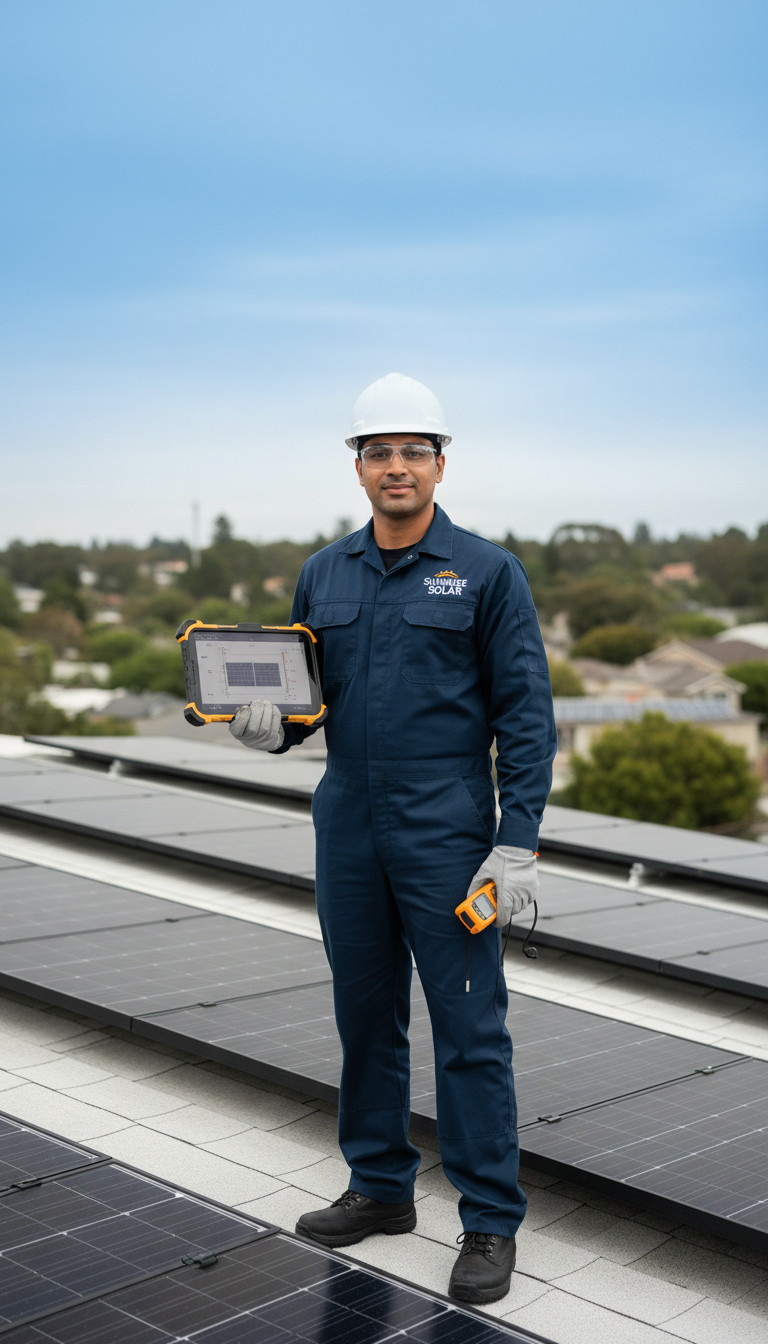
Field crews now rely on tablets for real-time site mapping and AI driven applications for roof layout optimization. Instead of relying solely on manual measurements that might lead to repeated trips across a hot roof, installers use software to calculate precise placement and shading patterns before the first bracket is bolted down. These digital tools ensure that every movement on the job site is purposeful, which significantly improves safety by limiting unnecessary exposure to heights. At Anderson Training, we emphasize this technical shift within our modern workforce training programs. By mastering these digital diagnostics and mapping tools, workers transition from being general laborers to technical specialists. This blend of physical grit and technological fluency is what defines the next generation of the trade. You can learn more about Anderson Training to see how we prepare students for this balanced approach.
Bridging the Gap: Traditional Craftsmanship Meets Digital Tools

A successful solar installer career in Utah requires a dual-mastery of physical mechanics and digital literacy. The traditional image of a worker merely bolting panels to a roof is outdated; today’s technicians function as technical specialists who interpret complex data before a single hole is drilled. Knowing how to properly secure a racking system to withstand Utah’s high-altitude wind loads is critical, but that physical skill loses its value if the installer cannot navigate the digital blueprints or site-survey software that dictates the system’s efficiency.
For workers in Sanpete County and surrounding rural communities, this shift represents a significant professional advantage. Mastering software for drone-based site modeling or cloud-based project management provides long-term career value and adaptability that manual labor alone cannot offer. These digital skills allow a technician to pivot between residential projects and massive utility-scale hubs without losing momentum. By integrating these tools into modern workforce training programs, we ensure that craftsmanship remains central while giving students the technological edge required by modern energy firms. This approach, which you can learn more about by reading about Anderson Training, transforms a seasonal job into a high-value career. The ability to troubleshoot an inverter via a tablet or analyze string voltages through a mobile app is what separates a temporary laborer from a technical specialist.
How to start a solar career in Utah with no experience

Launching a solar installer career in Utah requires a tactical approach rather than just applying for the first job posting you see. For those starting without a background in the trades, following a structured roadmap ensures you build the specific technical and physical competencies that local contractors demand.
Identify Hands-On Training: Prioritize modern workforce training programs that offer direct experience with the latest racking systems and PV modules. Local programs in rural areas often provide insight into utility-scale project logistics that general construction courses miss.
Build a Core Trade Foundation: Familiarize yourself with basic electrical principles and roofing safety. Knowing how to safely navigate a job site and operate power tools reduces the learning curve during your first week on a crew.
Secure an Apprenticeship or Learning Path: Seek out employers or organizations like those mentioned about Anderson Training that offer structured advancement. These paths bridge the gap between helper and technician by validating your skills through real-world application.
Balance Physical and Digital Skills: Train specifically on both the hardware installation and the software used for system diagnostics. Most modern installers must commission systems via mobile apps; being tech-ready on day one differentiates you from general laborers.
Ready to take the first step toward a high-demand trade? You can contact us to get started on a path that prepares you for Utah’s evolving energy market.