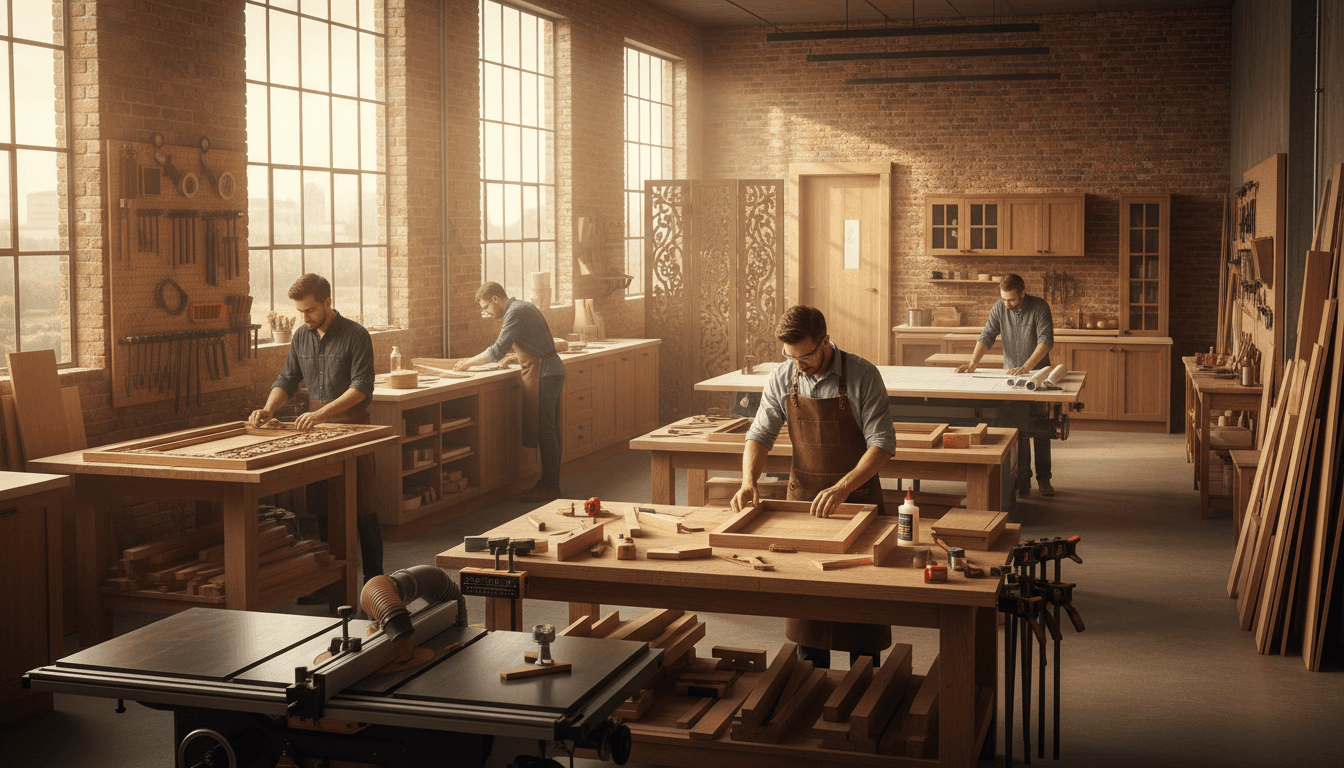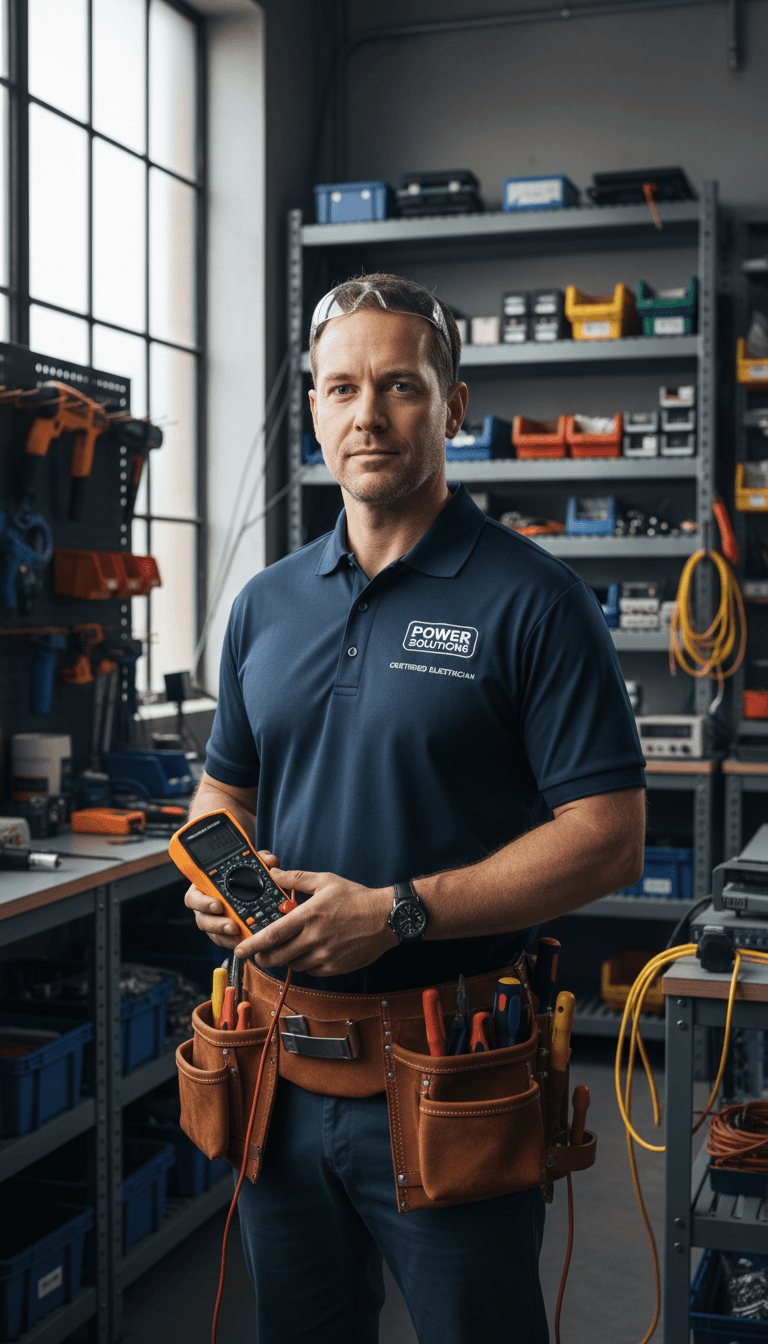
Modern skilled trades training technology digital tools are essential because they combine traditional manual expertise with the efficiency of automation and data analysis. This dual focus prepares the workforce for high-paying new collar roles while improving on-site safety and decision-making; consequently, workers become more versatile in a tech-driven economy. By mastering both physical and digital competencies, tradespeople ensure their long-term career resilience.
The modern job site in Utah is no longer just about heavy machinery and physical strength; it is about managing complex software and data. Many aspiring tradespeople find themselves caught in a frustrating middle ground where traditional training falls short of actual employer expectations. Mastering a craft today requires more than a steady hand. It demands a sophisticated understanding of digital interfaces and AI-driven efficiency. Without this dual expertise, even the most dedicated workers risk obsolescence in an increasingly competitive market. In this guide, we explore the rise of the new collar worker and the specific digital tools reshaping careers in Sanpete County. You will learn why balancing classic hand skills with emerging tech like AI is the only way to meet the demands of 2025 and beyond.
The Rise of the New Collar Worker in Utah
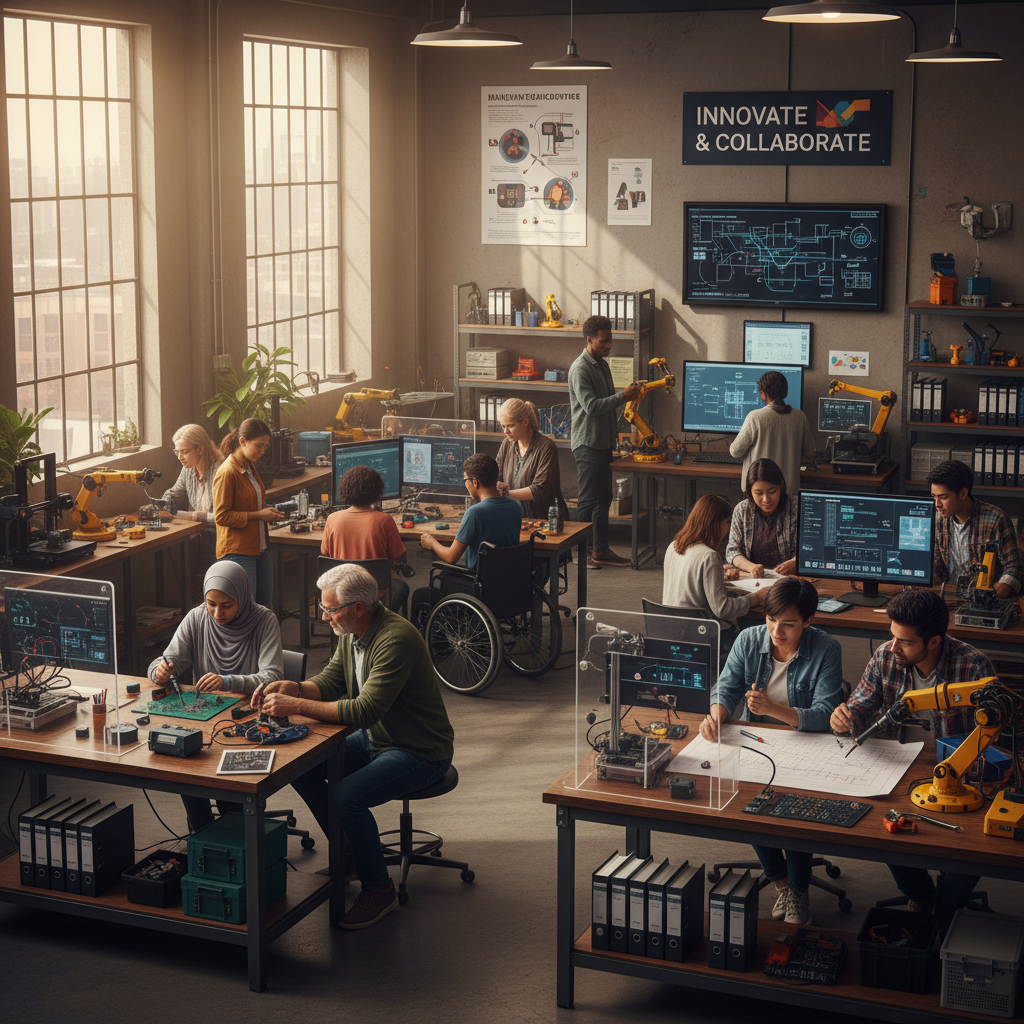
The labor market in 2025 and 2026 is witnessing the emergence of the New Collar worker. This professional represents a significant shift in how we define technical expertise, blending traditional blue collar mastery with white collar digital proficiency. In the past, office work and field work were separate worlds. Today, that divide is blurring. A technician on a job site in Sanpete County is now as likely to be analyzing system data on a tablet as they are to be installing physical components.
In rural Utah, this dual skill set is becoming the baseline for career stability. As our local economy adapts to more complex industrial demands, workers need modern workforce training programs that address both the physical and the digital. Industries like advanced manufacturing, modern residential construction, and high tech HVAC require individuals who can navigate computerized control systems and physical hardware simultaneously. Without this digital literacy, even the most talented craftsman may find themselves sidelined by the pace of technological change.
When considering the current economic landscape, many ask which industries are most in need of skilled trade workers. Currently, the highest demand in Utah is found in sectors undergoing rapid technological integration. Advanced manufacturing leads the pack, followed closely by green energy infrastructure and specialized HVAC services. These fields are seeking talent that understands how to utilize skilled trades training technology digital tools to improve job site efficiency and precision. Staying competitive in 2026 means moving beyond a single discipline mindset. If you can fix the machine and also optimize its performance via a digital interface, you become the most valuable asset on any Utah job site.
Essential Digital Tools Reshaping the Modern Blue Collar Career

Mastering the digital landscape is no longer optional for technicians; it is a core requirement for job site performance. Modern tradespeople now utilize mobile diagnostic apps that communicate directly with HVAC units or electrical panels to pinpoint faults before a screwdriver even touches a screw. This level of precision, taught through skilled trades training technology digital tools, allows workers to identify systemic issues that were previously invisible to the naked eye.
Beyond diagnostics, the physical job site has migrated to the tablet. Digital blueprints provide dynamic, zoomable details that paper sets never could, ensuring that every measurement aligns with the latest architectural revisions. Project management software such as Procore or Fieldwire has replaced the grease-stained clipboard. These platforms enable real-time communication between the field and the office, tracking material usage and labor hours with absolute accuracy. This shift significantly reduces the risk of costly rework and enhances site safety by documenting hazards and compliance checks in real time.
Tool Category | Specific Application | Legacy Method |
|---|---|---|
Blueprints | Digital Tablets (AutoCAD/Revit) | Rolled Paper Drawings |
Project Management | Procore / Fieldwire | Hand-written Logs |
Diagnostics | Bluetooth/Smart Sensor Apps | Analog Gauges and Guesswork |
Maintenance | Predictive Data Entry | Reactive "Wait until it breaks" |
Incorporating basic data entry for predictive maintenance is another critical skill. Instead of waiting for a machine to fail, technicians log performance data to anticipate future breakdowns. By learning these modern workforce training programs protocols, a worker transitions from a manual laborer to a data-informed specialist. This evolution represents the core value of technology-supported training: it equips the craftsman with a digital toolkit that maximizes their physical output and reliability in the field.
Why Traditional Hands-On Skills Remain the Foundation of Trade Mastery

High tech sensors can flag an overheating bearing, but they cannot replace the intuition of an experienced tradesperson who hears the specific pitch of a failing motor. This sensory awareness is the bedrock of modern workforce training programs. While digital literacy is vital, it remains secondary to the fundamental ability to manipulate tools with precision. A tablet can show a 3D model of a joint, but it cannot teach the steady hand required to weld it correctly or the resistance of a bolt that is about to cross thread.
Technology is an enabler of efficiency, not a substitute for the physical mastery of a craft. Real world expertise requires tactile feedback, understanding how materials react to heat, pressure, and tension. Training that happens exclusively online fails to produce job-ready workers because it ignores the physical reality of the job site. Without significant time spent at a physical workbench, a student cannot develop the muscle memory or the manual tool precision required for high stakes repairs.
Preserving traditional craftsmanship is essential to the mission of our curriculum. By grounding students in these foundational skills, we ensure they have the confidence to solve problems when the Wi-Fi is down or the diagnostic software is inconclusive. You can learn more about Anderson Training and how we maintain this balance between old school grit and new school tech to build long term career value.
Leveraging AI in Skilled Trades Training for 2025 and 2026
The transition from basic tool mastery to advanced troubleshooting now involves a new partner: Artificial Intelligence. By 2025 and 2026, AI in the skilled trades is no longer a futuristic concept; it is an active job site assistant. Modern technicians use AI driven smart diagnostics to analyze complex electrical circuits or mechanical assemblies. These systems process thousands of data points from sensors to identify anomalies that a human might miss. However, the true skill is not in the software itself, but in the technician's ability to interpret that data and execute a physical solution.
When prospective students ask which AI skills to learn in 2026, the answer is applied data literacy within their specific craft. This involves learning how to use AI generated insights to optimize material use, which directly reduces waste and lowers project costs. It also means utilizing predictive algorithms to determine when a component is likely to fail before it actually shuts down an assembly line. These modern workforce training programs teach workers to treat AI as a high powered calculator for the physical world.
AI Application | Field Benefit | Training Focus |
|---|---|---|
Smart Diagnostics | Rapid fault isolation in HVAC and electrical | Pattern recognition and sensor data reading |
Material Optimization | Precise ordering and cutting for construction | Reducing scrap through algorithmic planning |
Predictive Maintenance | Scheduling repairs before system failure | Interpreting vibration and thermal data |
This level of skilled trades training technology digital tools integration ensures that the technician remains the primary decision maker. AI provides the data, but the craftsman provides the judgment. By learning to navigate these systems, workers in Sanpete County can bridge the gap between manual labor and technical management, securing their place in a rapidly evolving economy.
What Sanpete County Employers Want in a Skilled Workforce
In Sanpete County, the expectations of local contractors and industrial firms have shifted. Employers in 2026 prioritize technicians who can troubleshoot a mechanical failure and immediately transition to a tablet to document the repair, upload photos of the finished work, and update the client’s service history. This combination of physical output and digital administrative accuracy is what defines the adaptable talent currently in high demand across rural Utah.
Businesses are no longer willing to lose time training new hires on basic software navigation. They seek professionals who can approach a piece of computerized machinery or a fleet management app without hesitation. By completing modern workforce training programs, workers demonstrate they can handle the dual responsibilities of the modern job site. This autonomy reduces overhead for local companies, making the worker more valuable and justifying a higher pay scale.
Employer Priority | Field Requirement | Impact on Career |
|---|---|---|
Digital Accountability | Real-time logging of parts and labor | Higher trust and client retention |
Technical Autonomy | Independent use of diagnostic software | Faster promotion to lead roles |
Precision Execution | Blending craftsmanship with data | Long-term job stability in Utah |
The Utah job market rewards this versatility with more stable career paths. A technician who understands the methodology about Anderson Training and its focus on these integrated skills is positioned to earn significantly more than a peer who relies solely on manual methods. Local employers want workers who bridge the gap between the wrench and the screen.
How to Choose a Training Program that Blends Tradition and Technology
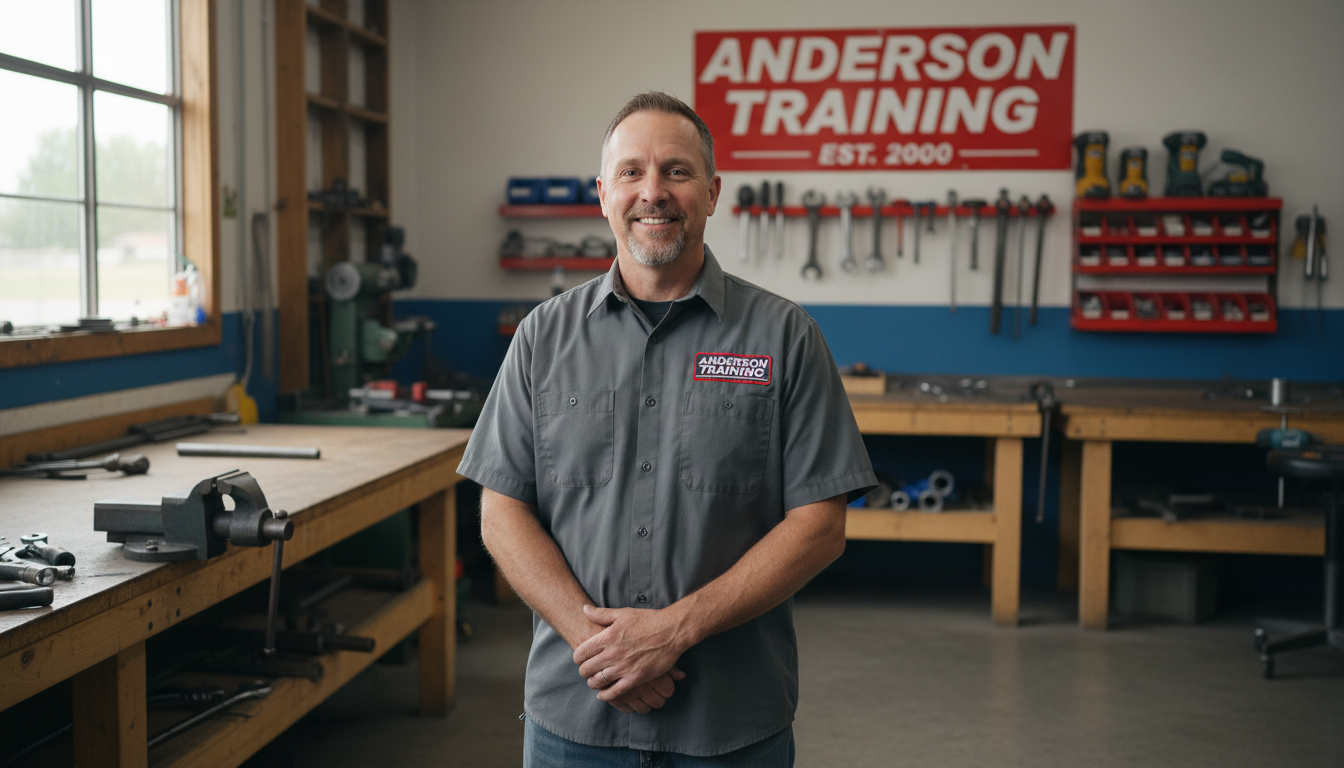
Identifying a program that effectively integrates skilled trades training technology digital tools requires a discerning eye for curriculum design. A high quality program should not treat technology as a standalone subject but as a tool woven into every manual task. When evaluating modern workforce training programs, use the following criteria to ensure the education matches the demands of a 2026 job site:
Evaluation Criteria | What to Look For | Why it Matters |
|---|---|---|
Instructional Leadership | Veteran tradespeople like Jason Goble who use digital tools in the field. | Bridges the gap between traditional grit and modern software requirements. |
Learning Architecture | Structured learning paths with clear progression. | Ensures foundational skills are mastered before moving to complex digital diagnostics. |
Accessibility | 24/7 digital curriculum access paired with scheduled lab time. | Allows for flexible study while prioritizing the physical workbench. |
Performance Metrics | Frequent structured checkpoints. | Verifies that a student can execute a task physically and document it digitally. |
The instructor’s background is the most critical factor. A career educator might understand the theory, but an experienced tradesperson knows how a tablet survives in a dusty shop or how AI diagnostics actually behave in a freezing Utah winter. This real world perspective is what transforms a student from a trainee into a professional.
Clear progression is equally vital; look for programs that break down complex systems into manageable modules. These structured checkpoints act as quality control, ensuring that manual precision is never sacrificed for digital speed. If you are ready to start your path or need to upskill your team, contact us today to see how our specific curriculum balances these competing demands.
Successfully navigating the modern skilled trades landscape requires a balanced mastery of both physical craftsmanship and digital tools. As the industry continues to evolve, staying ahead means integrating these two worlds seamlessly to remain competitive. If you are looking for expert guidance to help bridge this gap, we are here to support your professional growth. You can learn more about our approach to modern training and how we help students master these essential skills. Our team is dedicated to ensuring you are prepared for the future.