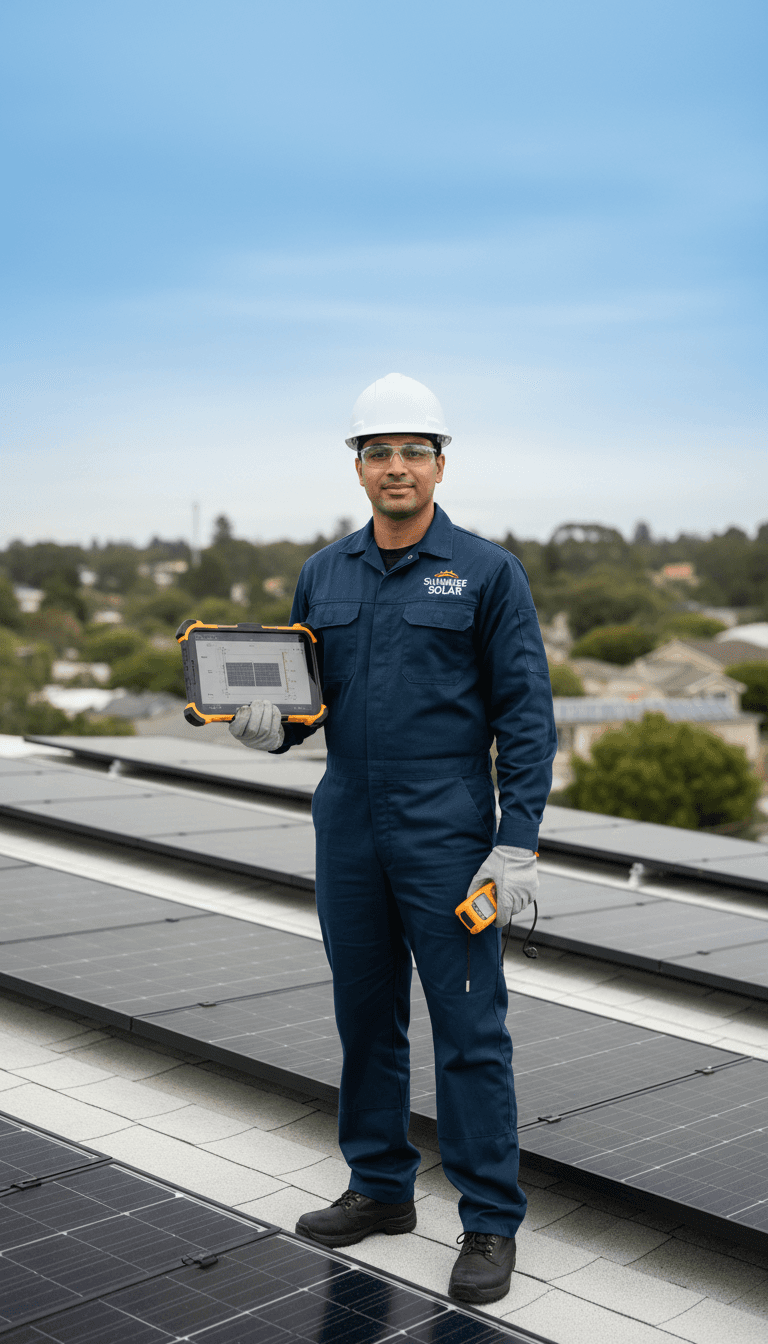
AI in skilled trades is redefining the industry by streamlining complex project management and enhancing on-site safety through real-time data and augmented reality tools. By 2026, these advancements will augment human expertise rather than replace it, ensuring that trade professionals remain more secure and productive than their desk-based counterparts. The integration of these digital solutions addresses labor shortages by empowering workers with smarter training and highly efficient, data-driven workflows.
For the seasoned electrician or the HVAC technician in the field, the rapid rise of artificial intelligence can feel less like a tool and more like a threat to job security. You have spent years mastering your craft; yet, the constant chatter about automation suggests a future where manual expertise might lose its edge. In reality, the integration of AI into the skilled trades is not about replacement; it is about precision and efficiency. Understanding these digital shifts is now just as critical as knowing how to wire a panel or repair a boiler. This guide will walk you through the essential tools of 2026, the evolution of modern apprenticeships, and the shift toward predictive maintenance. You will discover why AI literacy is the new benchmark for professional excellence and how Anderson Training is helping Utah workers lead this industry transformation.
The Great Shift: Why AI in Skilled Trades is an Opportunity, Not a Threat
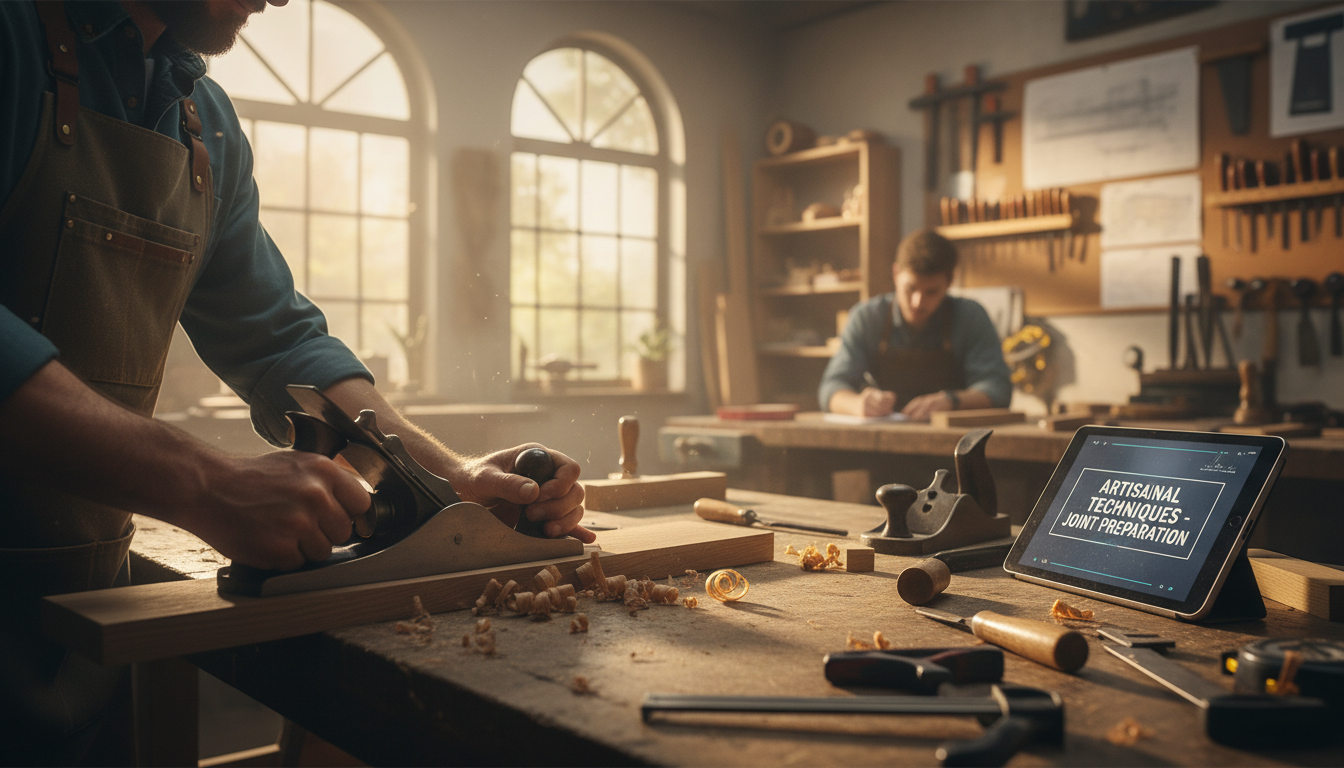
The conversation surrounding AI often focuses on replacement, creating a sense of anxiety for many workers. However, for those in the skilled trades, the data paints a very different picture. Current research indicates that demand for trades is growing roughly three times faster than demand for traditional desk jobs. While generative AI can write emails or balance spreadsheets, it lacks the fundamental physical dexterity and spatial awareness required to navigate a construction site or repair a complex plumbing system.
AI struggles with dynamic problem solving in unpredictable environments. A software program can analyze data, but it cannot crawl into a tight crawlspace, feel the tension in a wire, or make a split-second judgment call when an unexpected structural issue arises behind a wall. In these scenarios, modern workforce training programs emphasize that the human element remains irreplaceable. The real shift occurring in 2026 is not the replacement of the worker, but the evolution of the toolkit.
Think of AI as a digital co-pilot rather than a substitute. For an electrician, plumber, or carpenter, these tools provide a massive efficiency boost by handling data-heavy tasks like load calculations, material estimating, and predictive diagnostics. By blending traditional craftsmanship and digital tools, professionals can focus on the high-level execution that requires a human hand and a human brain. The objective is to work smarter, using technology to eliminate the guesswork while maintaining the tactile skills that define the industry.
Will AI Replace Electricians, Plumbers, or HVAC Technicians?
The question of whether AI will replace electricians, plumbers, or HVAC technicians is one of the most frequent concerns for those entering the industry. The short answer is a definitive no. While software is excellent at processing data, it faces a significant physicality barrier that current technology cannot overcome. Industrial robots excel in controlled, repetitive environments, but they struggle with the chaotic, non-repetitive nature of a residential remodel or a complex industrial repair.
Consider a standard service call in Sanpete County. A technician might enter a century-old farmhouse where the plumbing doesn't match any modern schematic, or a commercial basement where a pipe has burst in a tight, debris-filled corner. These environments require high-level spatial reasoning and the ability to adapt to physical obstacles in real time. AI lacks the tactile feedback necessary to feel if a bolt is cross-threaded or to navigate a narrow attic without damaging the drywall. The unique layout of every Utah home ensures that a human eye and hand are essential for every job.
Technological integration is already here, but it serves to enhance the professional rather than replace them. For instance, predictive platforms like IBM WatsonX can analyze vibration and temperature data to diagnose a failing HVAC compressor before it stops working. However, the AI cannot navigate the crawl space, braze the copper lines, or safely recover the refrigerant. That requires a skilled human technician who knows how to handle the physical components of the system.
For residents in Utah looking at modern workforce training programs, this distinction provides immense career security. The core of the work involves tactile problem solving that silicon and steel cannot replicate. Instead of being replaced, the next generation of technicians will be empowered. You will use AI to identify the problem with surgical precision, then use your hands to execute the solution. By mastering both traditional craftsmanship and digital tools, you become a highly sought-after professional who can bridge the gap between high-tech diagnostics and physical reality.
Essential Digital Tools for the 2026 Tradesperson
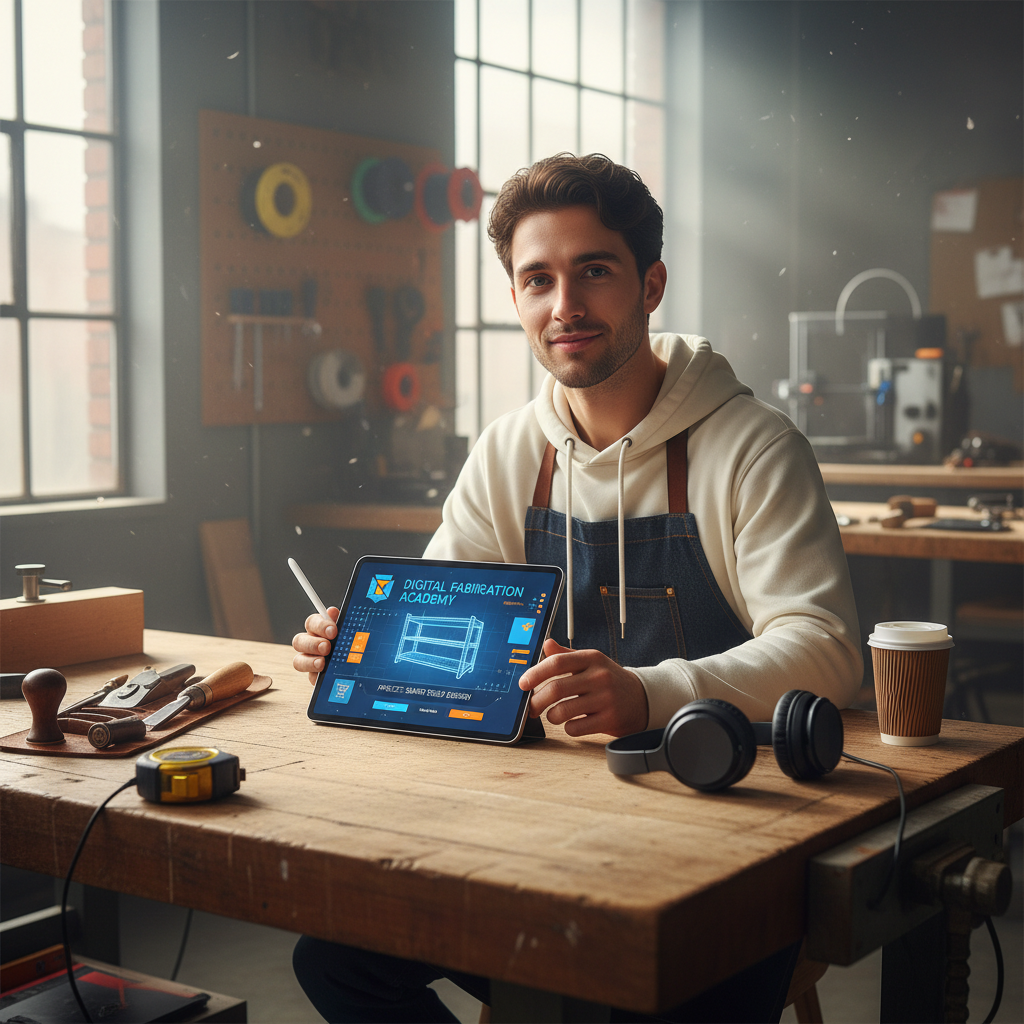
The transition from physical diagnostics to technological execution relies on a new set of essential digital tools. Building Information Modeling (BIM) has evolved beyond simple 3D architectural drafting into a comprehensive lifecycle management system. Contractors now utilize digital twins, which are exact virtual replicas of a physical structure updated with real-time data. By accessing a digital twin on a tablet, a technician can effectively see through walls to locate structural headers, gas lines, or tension cables before a single hole is drilled. This level of transparency eliminates the guesswork that traditionally led to costly site delays.
Augmented Reality (AR) provides the next layer of precision for the 2026 tradesperson. By wearing AR-enabled glasses or using specialized mobile interfaces, an electrician can overlay complex wiring diagrams directly onto a physical workspace. This allows for the immediate visualization of how a new circuit must navigate existing infrastructure. These technologies ensure that the integration of AI in skilled trades is not just about data, but about enhancing the physical accuracy of every installation.
The primary value of these tools lies in the drastic reduction of re-work. In traditional construction, miscommunications between different trades often lead to overlapping systems that must be torn out and reinstalled. By utilizing modern workforce training programs to master these tools, workers spend less time fixing errors and more time on high-value craftsmanship. For those who balance traditional craftsmanship and digital tools, the result is a massive boost in efficiency and a reputation for precision that commands top-tier wages in a competitive market.
How AI Literacy is Changing Traditional Apprenticeships
The U.S. Department of Labor has recognized this shift by launching initiatives to integrate AI skills into Registered Apprenticeships. This move signals a national standard where being good with your hands is only half the battle; being digitally literate is the other half. The modern apprentice must be as comfortable navigating a software interface as they are handling a power tool.
Educational models are moving away from static, paper-based blueprints toward dynamic, cloud-based management systems. In modern workforce training programs, students now utilize platforms like Procore or Deltek on ruggedized tablets to manage workflows and documentation in real time. This transition ensures that every adjustment made on the job site is instantly reflected in the project data, reducing the lag between a field discovery and a managerial decision.
By focusing on this dual-competency, the industry is creating a more versatile professional. Developing a mastery of traditional craftsmanship and digital tools means an apprentice can interpret AI-driven analytics to predict project bottlenecks before they occur. This literacy transforms the worker from a purely manual laborer into a tech-enabled problem solver, ensuring they are prepared for the high-tech demands of the Utah construction and service sectors. As these educational standards evolve, the focus shifts toward how these digital skills apply to specific service tasks.
Predictive Maintenance and Smart Diagnostics: The New Standard
This digital literacy translates directly to the most significant technical shift in service trades: the transition from reactive repairs to predictive maintenance. In modern commercial plumbing and electrical infrastructure, AI powered sensors act as continuous monitors, tracking flow rates, pipe pressure, and thermal fluctuations in real time. Instead of waiting for a catastrophic pipe burst or a transformer failure, AI algorithms identify minute anomalies that signal a future problem.
This shift fundamentally changes the technician's role. You are no longer just a fixer who arrives after the damage is done; you are a proactive systems manager. By interpreting data from these smart systems, a professional can schedule a precision repair during standard business hours, preventing the costly downtime associated with emergency calls. This level of oversight requires a technician who has undergone modern workforce training programs to understand the intersection of physical hardware and data analytics.
For the worker, this evolution of AI in skilled trades is financially significant. Proactive management provides far more value to a client than emergency labor, which allows technicians to command higher pay for their specialized expertise. By mastering the balance of traditional craftsmanship and digital tools, professionals ensure they are seen as essential assets rather than just a cost of doing business. You can contact us to learn more about how these technologies are being integrated into current industry standards.
The Anderson Training Approach: Blending Craftsmanship with Digital Tools in Utah
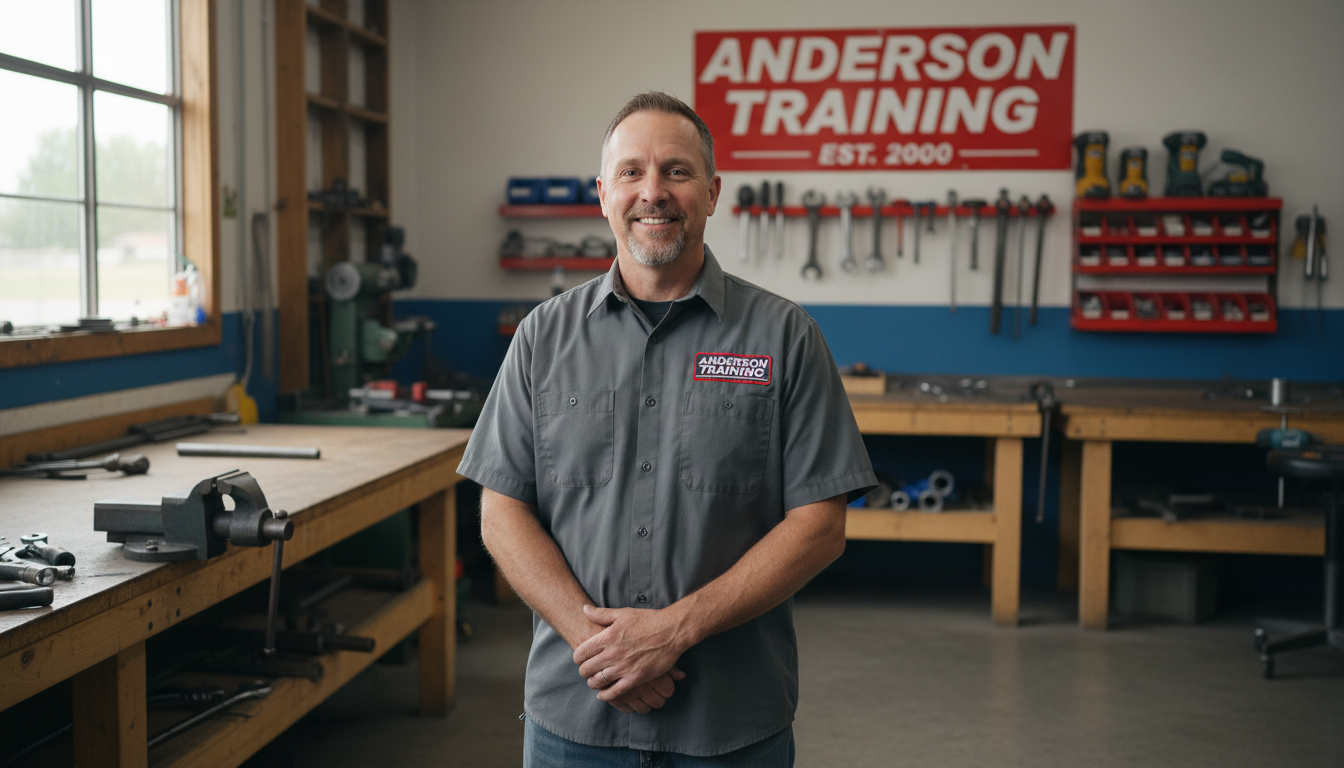
In Sanpete County and across the Utah market, the demand for high caliber work is meeting a new technological standard. Research indicates that while 95 percent of trade professionals recognize the purpose of AI in skilled trades, only a small fraction have received formal instruction on how to use it. Anderson Training addresses this disconnect directly. Our modern workforce training programs are designed to ensure that students do not just understand the theory of new technology but can apply it on a physical job site.
Our curriculum is built on the belief that a digital twin is useless if the technician cannot sweat a copper joint or wire a panel with precision. We focus on preserving traditional craftsmanship and digital tools by integrating them into a single, cohesive workflow. For example, a student might learn the manual fundamentals of HVAC installation while simultaneously using AI powered diagnostic software to optimize system performance.
This dual focus is critical for staying competitive in Utah, where high tech infrastructure projects frequently overlap with traditional industry. As the state economy continues to evolve, the most successful workers will be those who bring both mechanical expertise and digital fluency to the table. You can contact us to learn more about how our Sanpete County programs prepare you for this specific intersection of industry needs.
How to Stay Ahead: Three Steps for Modern Trade Workers
Preparing for the future requires a shift from viewing technology as an optional add-on to seeing it as a core component of your tool belt. To remain competitive as AI in skilled trades continues to advance, follow these three practical steps:
Cultivate a Software-First Growth Mindset: View new platforms, such as project management software or digital twin interfaces, as precision tools. Mastery over the digital interface is now just as critical as mastery over the physical material.
Select Technology-Forward Education: Prioritize modern workforce training programs that go beyond manual drills to include technology-supported instruction. The goal is to gain hands-on experience with the specific tablets and diagnostic software used on 2026 job sites.
Track Official Literacy Frameworks: Monitor the Department of Labor’s evolving AI literacy standards. These frameworks define the digital competencies that employers now expect from high-tier technicians.
The most valuable professional in 2026 will not be the one who only knows the data, nor the one who only knows the wrench. It will be the individual who can seamlessly bridge the gap between a digital model and a physical installation. By prioritizing both traditional craftsmanship and digital tools, you ensure your skills remain indispensable in a tech-heavy market. You can contact us to learn more about aligning your career path with these evolving industry shifts.
As we look toward 2026, it is clear that AI will not replace the skilled trades. Instead, it will empower those who are willing to adapt and learn new digital tools alongside their physical expertise. Staying competitive in this evolving landscape requires a commitment to continuous growth and technical proficiency. If you want expert help navigating these industry shifts, you can read more about how Anderson Training prepares professionals for the future of the trades. We are here to help you bridge the gap between traditional skills and modern innovation.